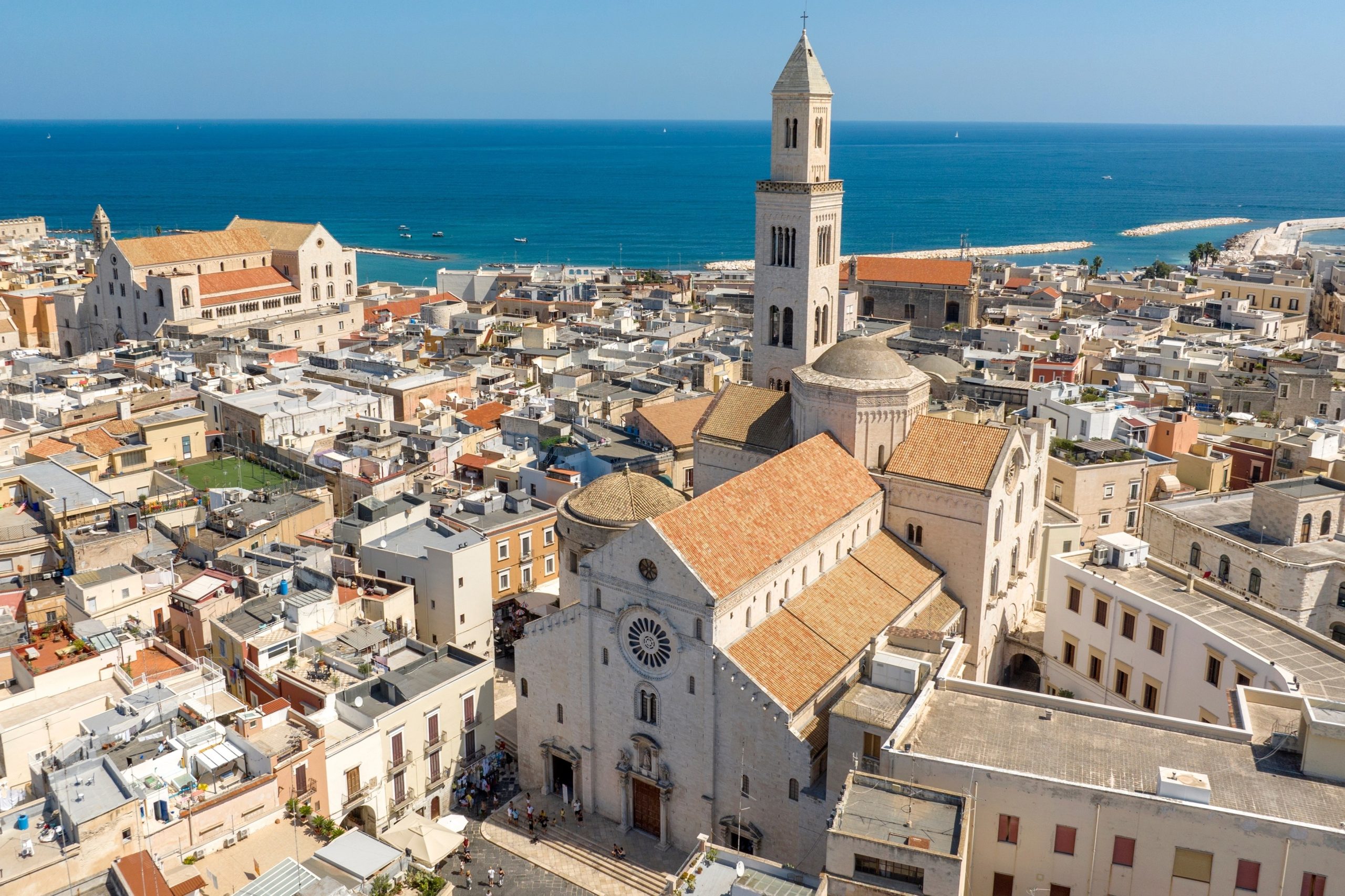
Bari, the charming capital of the Apulia region, lies directly on the sun-drenched Adriatic coast in the south of Italy. The city combines history, Mediterranean flair and culinary delights in a unique way. Once an important trading hub between East and West, Bari still bears the traces of many cultures today – from the Normans and Byzantines to the Habsburgs. Today, this port city is a vibrant place full of contrasts: between Romanesque churches, modern street art and bustling everyday life, you experience pure Italy here.
Top Attractions in Bari
Basilica di San Nicola
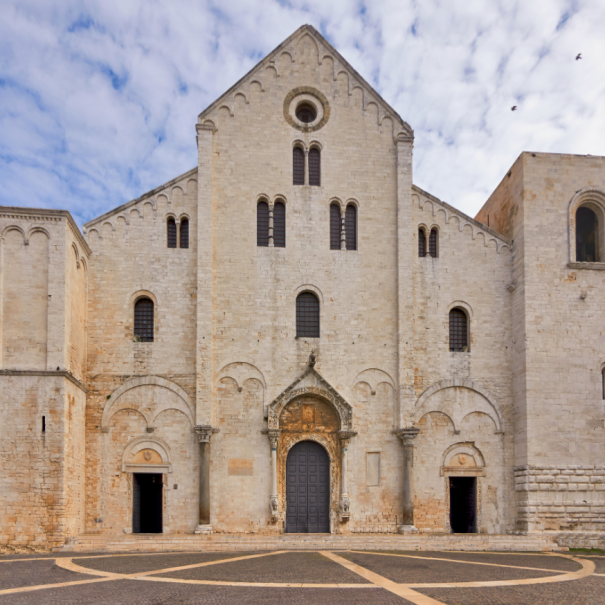
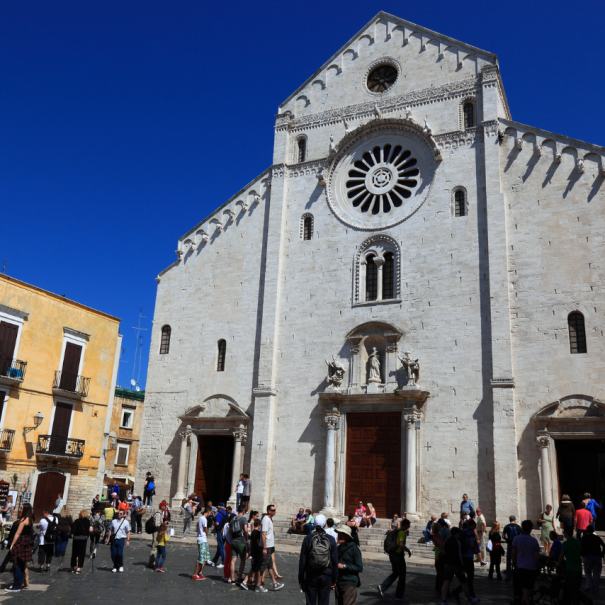
This impressive Romanesque church is the most important religious building in the city and attracts pilgrims from all over the world. It was built between 1087 and 1197 to house the relics of Saint Nicholas, which were brought to Bari by sailors from Myra (today Demre in Turkey). The façade is simple yet powerful, and the interior impresses with beautiful marble altars, crypts and gilded ceilings. Particularly fascinating is the crypt, where Orthodox and Catholic believers pray side by side.
Fun Fact: In 1087, 62 brave (or cheeky) sailors from Bari stole the relics of Saint Nicholas from Myra and secretly brought them to their city. Since then, Bari has been considered the saint’s second home.
Bari Vecchia (Old Town)
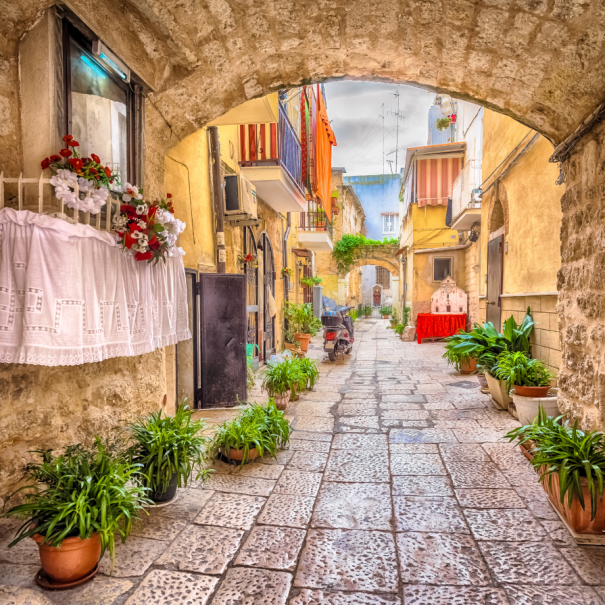
Bari Vecchia is the heart of the city – a labyrinth of narrow, cobblestone alleys winding between whitewashed houses. This is where real life takes place: older women sit on folding chairs in front of their houses, skilfully rolling orecchiette by hand, children play with a ball in the lanes, and from open windows wafts the smell of fresh pasta and tomato sauce. As you stroll around, you’ll discover small churches, colourful altars and charming courtyards that suddenly open up before you.
Castello Normanno-Svevo
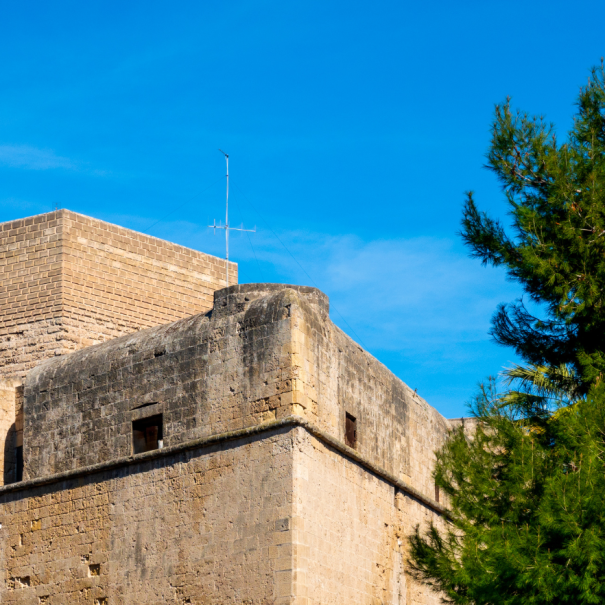
This mighty castle was built in the 12th century by the Normans and remodelled in the 13th century by Emperor Frederick II. Its massive stone walls, surrounding moat and striking towers transport you back to a time when Bari was a strategically important military post. Today, the Castello houses a collection of archaeological finds, medieval sculptures and temporary art exhibitions. The inner courtyard with its arches is a place where history truly comes to life.
Teatro Petruzzelli
The magnificent Teatro Petruzzelli is considered one of the most beautiful opera houses in Italy. It opened in 1903, fell victim to a devastating fire in 1991 and, after years of restoration, was reopened in 2009. The opera house impresses with its elegant red-and-gold interior, a splendid frescoed ceiling and excellent acoustics. Even if you’re not an opera lover, you should not miss a guided tour of this architectural gem.
Lungomare Nazario Sauro
This picturesque seafront promenade is the focal point of the city for relaxed walks overlooking the azure sea. Especially in the evening, the Lungomare becomes the meeting point for locals: couples stroll arm in arm, fishermen sell freshly caught squid, and the sun bathes the city in warm golden light. From here, you have a fantastic view of the Old Town and the harbour.
Best Scenic Viewpoints
Torre Normanno-Svevo
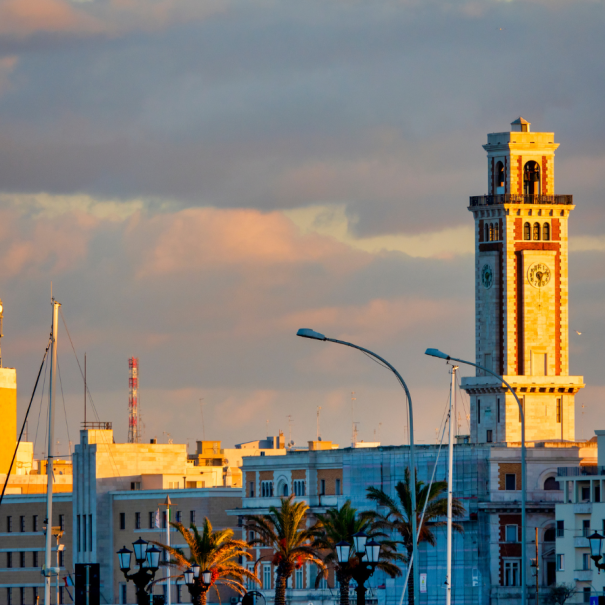
The tower of the Castello Normanno-Svevo is not only a remnant from the Norman period, but also one of Bari’s most striking landmarks. It offers a spectacular view over the rooftops of the Old Town all the way to the shimmering Adriatic Sea. Once at the top, an impressive panorama opens up: the narrow streets of Bari Vecchia, the white church domes and the deep blue of the sea. Especially at sunset, when warm light falls over the city, the tower becomes one of the most romantic spots in town.
Balcony of the Basilica di San Nicola
The balcony of the Basilica di San Nicola not only offers a wonderful view but also a moment of calm above the lively hustle and bustle of the Old Town. From here, you can look out over the red tiled roofs, the small squares and the old harbour. When the evening sun shines on the white limestone façades, Bari glows in golden tones. The view stretches all the way to the city walls and out to sea – a sight that photographers in particular will love. In the morning, this spot is ideal for watching the city wake up as the cafés slowly start to fill up below.
Fun Fact: Bari is one of the few Italian cities where you can watch both sunrise and sunset over the sea, depending on which end of the coastline you stand.
Culinary Highlights For Food Lovers
La Uascezze
Located right in the Old Town, this rustic restaurant serves authentic Apulian home cooking in a cosy, traditional setting. La Uascezze is a true institution in Bari Vecchia. The walls are decorated with old photos and wine bottles, the light is warm and subdued, and the smell of garlic and olive oil fills the room. Here you can enjoy classics such as orecchiette con cime di rapa or fresh burrata from the region. The staff welcome you with genuine southern Italian warmth, and it is not uncommon for dinner to end with a limoncello on the house.
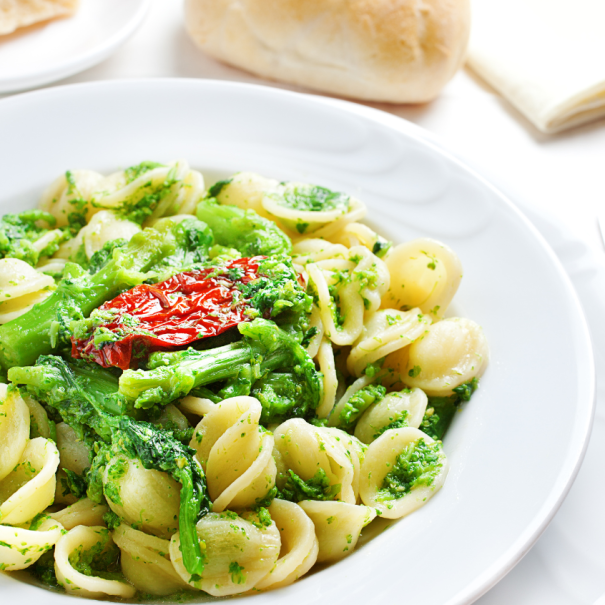
Ristorante Biancofiore
Ristorante Biancofiore is an elegant oasis for gourmets. In a modern, bright setting, they serve fresh seafood, homemade pasta and creative interpretations of traditional dishes. The tasting menu is particularly popular, allowing you to sample various seasonal specialities. Service is attentive yet unobtrusive, and the wine list impresses with a selection of regional wines from Apulia, including the full-bodied Primitivo di Manduria. For a romantic dinner or a stylish lunch, Biancofiore is an excellent choice.
Mastro Ciccio
Mastro Ciccio is the address for street food lovers and probably the liveliest place for a quick yet unforgettable meal in Bari. Here, stacked focacce and panzerotti in all variations await you, filled with fresh fish, mozzarella, aubergine or salsiccia. The portions are generous, the prices fair and the atmosphere wonderfully laid-back. The “Polpo Burger” – a burger with grilled octopus – is especially popular and has become the symbol of the place. Once you’ve eaten here, it’s easy to see why Mastro Ciccio has long since achieved cult status.
Insider Tips & Hidden Gems
Largo Albicocca
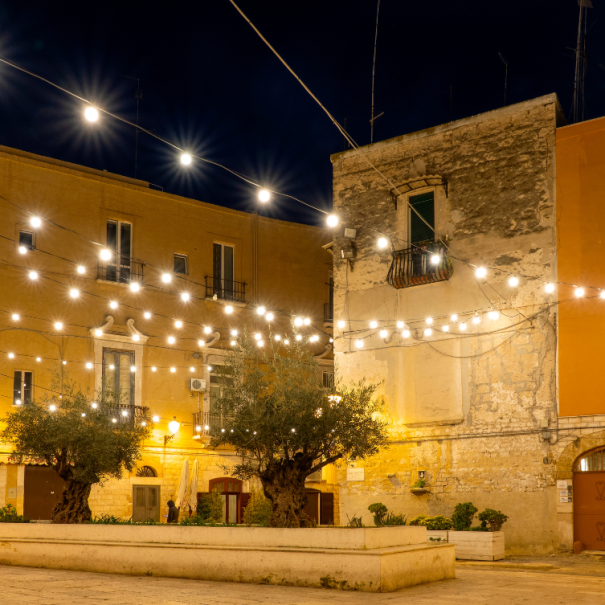
This small square in the middle of the Old Town is the living room of the locals. In the evening, the square transforms into an open-air restaurant: locals grill sgagliozze (fried slices of polenta), young people play music and the smell of fried panzerotti hangs in the air. The atmosphere is exuberant, loud and warm-hearted – exactly how you imagine southern Italy. If you pass by here, you should definitely try one of the improvised street grills and soak up the authentic atmosphere.
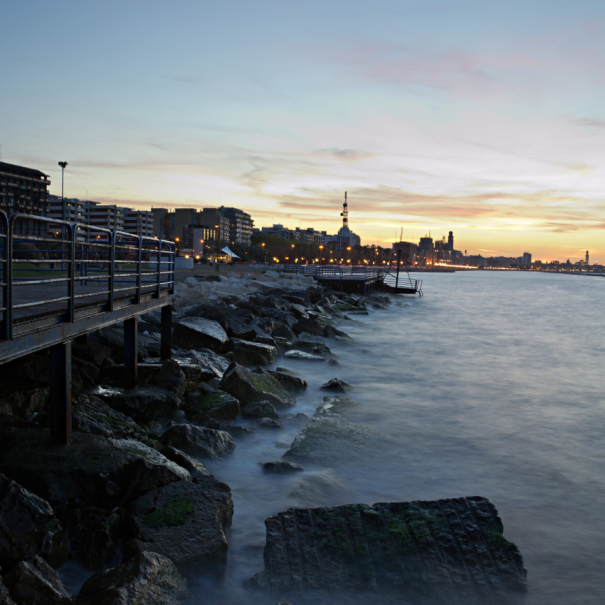
Pane e Pomodoro Beach
Pane e Pomodoro Beach is Bari’s most famous city beach and just a few minutes from the centre. Despite its proximity to the city, the water is usually clear and the atmosphere relaxed. Families, young people and walkers gather here to soak up the sun or simply gaze out at the sea. There are showers, changing cabins and small kiosks offering snacks and drinks. It’s especially beautiful early in the morning when the sun rises over the Adriatic and the city slowly wakes up. In the evening, the beach is a popular meeting place to end the day with an ice cream in hand.
Chiesa di San Sabino
The Cathedral of San Sabino, located a little off the usual tourist paths, is a masterpiece of 12th-century Romanesque architecture. Its bright limestone façade looks simple yet majestic. Inside, the high vaults, the delicate rose window above the entrance and the contrast between light and shadow are truly impressive. Particularly fascinating is the annual phenomenon at the summer solstice, when a ray of light passes through the rose window and illuminates exactly the mosaic on the floor – an architectural feat that never fails to amaze both believers and visitors.
Museums for Culture and History Enthusiasts
Museo Archeologico di Santa Scolastica
This museum is housed in a former 11th-century convent and showcases the fascinating history of the city from antiquity to the Middle Ages. It is situated on a small hill overlooking the sea and combines history and architecture in an impressive way. The exhibition takes you from prehistoric finds through the Greek and Roman periods up to the Middle Ages. Particularly interesting are the well-preserved ceramics, tools and pieces of jewellery from the Bronze Age. An audiovisual installation also explains how Bari has developed over the millennia.
Pinacoteca Metropolitana di Bari
The Pinacoteca Metropolitana is located in the Palazzo della Provincia and houses a fine collection of Apulian art. In addition to religious paintings and frescoes, you’ll find works from the 19th and 20th centuries here, including paintings by artists such as Francesco Netti and Giuseppe De Nittis, an Impressionist from Barletta. From the windows, you can enjoy a wonderful view of the seafront promenade, with art and sea views forming a perfect unity. A visit is especially charming in the morning, when sunlight streams through the tall windows and bathes the paintings in warm light.
Discover 70+ cities worldwide with professional audio guides – and counting! Thanks to integrated navigation, you’ll easily find your way, even without an internet connection. Whether it’s famous highlights or hidden gems – Plazes brings exciting tours and vivid stories straight to your smartphone. Completely free and no registration required. Download now and get started!


Shopping & Souvenirs
In Via Sparano da Bari beats the commercial heart of the city. International fashion brands, Italian designers and charming boutiques line up side by side here. If you’re looking for something special, you should venture into the small alleys of the Old Town. There, artisans sell intricate ceramics, leather goods and, of course, homemade pasta. Particularly popular is olio extra vergine d’oliva from the Apulia region – in decorative bottles, it makes the perfect souvenir. Local wines, taralli (crispy savoury rings) and small artworks made of olive wood are also typical souvenirs that bring a little piece of Apulia back home.
Tips for Cruise Passengers
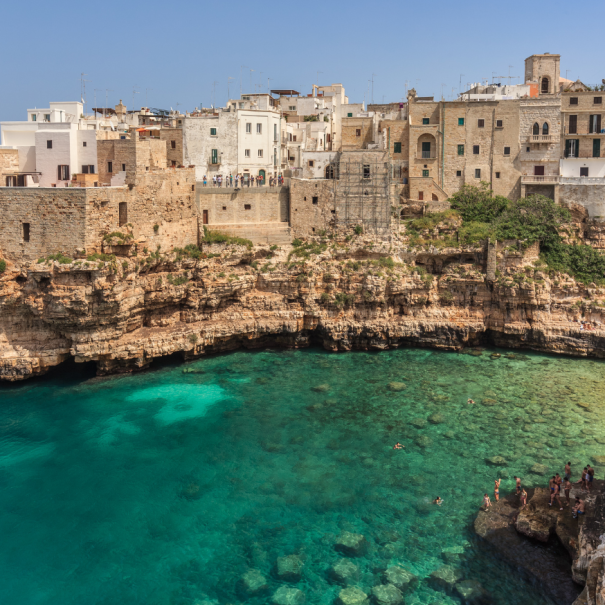
Cruise ships dock in Bari’s modern harbour, only about 2 kilometres from the Old Town. Many sights can easily be reached on foot, but shuttle buses and taxis are also available right at the terminal. Those who want more flexibility can rent a car from local rental companies and take day trips to Alberobello, Polignano a Mare or Matera. Each of these places is less than an hour away and counts among the most beautiful destinations in southern Italy. In the port area, there are also small cafés and snack stands – ideal for an espresso before heading back on board.
Tips for Solo Travelers
Bari is ideal for solo travellers – safe, friendly and easy to navigate. The city is perfect to explore on foot, and the people are open and easy to talk to. In the Murat district especially, you’ll find numerous cafés, co-working spaces and bars where you can easily meet new people. If you prefer to get around by public transport, you can use the AMTAB bus system, which runs regularly between the harbour, the train station and the main sights. The tourist information office at the main station (Piazza Aldo Moro) offers city maps, tips and free guided tours. In the evening, places like Opera Café or La Biglietteria invite you to linger.
Conclusion
Bari is far more than just a transit point for travellers to Apulia. The city captivates with its authentic atmosphere, vibrant street life and cultural diversity. Between Romanesque churches, Mediterranean cuisine and the sound of the Adriatic, you’ll discover the real southern Italy here. Whether you let yourself drift through the Old Town alleys, enjoy the sunset at the harbour or indulge in a trattoria – Bari is guaranteed to stay with you.
FAQs:
1. Which neighbourhoods offer an authentic Bari experience beyond the seafront promenade?
Stroll through Bari Vecchia (the Old Town) with its washing lines, courtyards and homemade pasta. Here you’ll often see grandmothers shaping orecchiette in front of their doorways. The Murat district south of the Old Town offers wide boulevards, Art Nouveau façades and plenty of shops. In the evenings, there is lots going on around Piazza del Ferrarese and Largo Albicocca.
2. How much time should you plan for Bari?
For the main sights such as the Basilica of San Nicola, the Cathedral of San Sabino, the Castello Normanno-Svevo and a stroll through Bari Vecchia, a full day is enough. If you also want to include the beach, museums and culinary stops or take an evening trip to the waterfront, plan for two to three days.
3. Which local specialities should you try – and where?
Typically, you’ll find focaccia barese (with tomatoes and olives), panzerotti (filled pastries), sgagliozze (fried slices of polenta), and fresh orecchiette with cime di rapa. In Bari Vecchia, around Strada Arco Basso, you’ll find street stalls and simple trattorias. Markets such as the Mercato Coperto di Santa Scolastica are ideal for tastings.
4. Which day trips from Bari are easy to do without a car?
By train, you can reach Polignano a Mare (cliffs and old town) and Monopoli (harbour atmosphere) in 30–40 minutes. With the Ferrovie del Sud Est, you can get to Alberobello (trulli) and Locorotondo. There are direct buses/trains to Matera (1.5–2 hours). Tip: Start early and check the return times in advance.
5. Getting there and getting around: airport, public transport or rental car – and what about the ZTL (limited traffic zone)?
From Bari Airport (BRI), the FM2 train or bus line 16 will take you to Bari Centrale in about 25–35 minutes. In the city, you can get around easily on foot, with buses covering longer distances. A car is usually not necessary. Be aware of the ZTL (limited traffic zone) in the Old Town, which is monitored by cameras. It’s better to park outside and walk in.