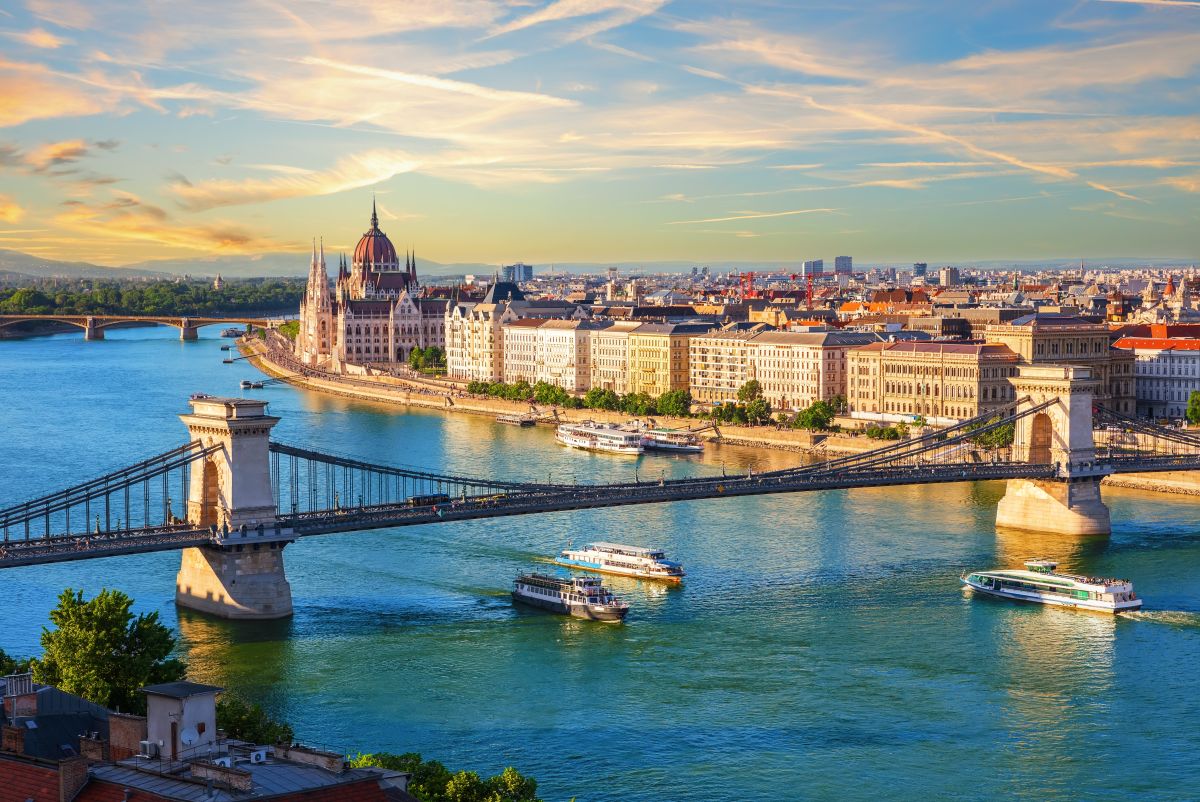
Budapest, the elegant capital of Hungary, is a city that can’t quite decide whether it wants to be imperial, creative, or simply laid-back. And that’s a good thing, because this very mix is what makes it so appealing. Divided by the Danube and united by history, thermal baths, and magnificent architecture, Budapest offers an impressive variety within a relatively compact area. Whether you’re strolling across the Chain Bridge for the first time or already know which bath is best for splashing around for hours – this city knows how to make visitors feel welcome.
Top Attractions in Budapest
Parliament Building
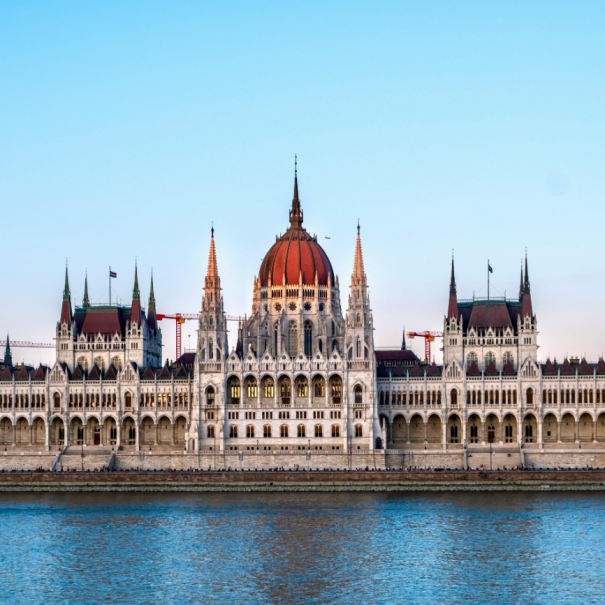
The Hungarian Parliament Building is not only one of the largest parliament buildings in the world, but also probably the most impressive structure along the Danube. Its Neo-Gothic façade, pointed towers, and striking dome feel almost a little overambitious – in the best possible way. The view is especially breathtaking at night, when the building is reflected in the water and Budapest suddenly looks like a movie set. Inside, opulent halls, historic crown jewels, and plenty of gold await – they definitely did not cut corners here.
Castle Palace (Buda Castle)
Towering high above the Danube, the Castle Palace gazes down on Pest with stoic calm. The expansive complex is a mix of royal history, cultural institutions, and spectacular views. Today, the palace is home to, among others, the Hungarian National Gallery and the Széchényi National Library. Those who conquer the climb on foot are rewarded with one of the most beautiful panoramas in the city – everyone else can take the funicular and enjoy the ride.
Fisherman’s Bastion
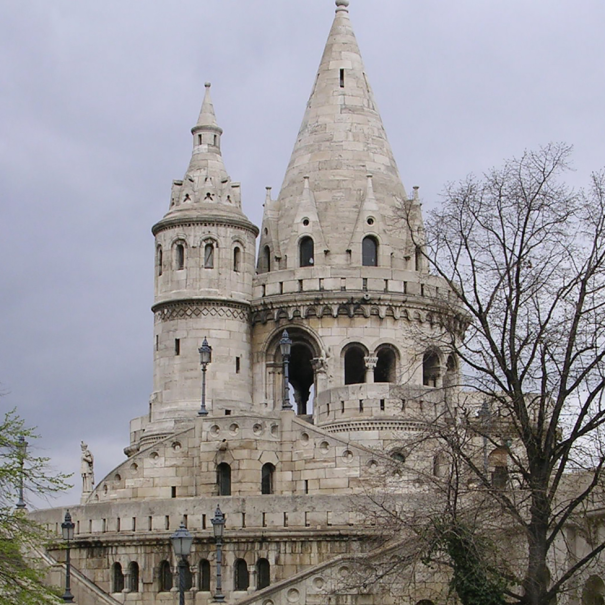
The Fisherman’s Bastion looks as if it has fallen straight out of a fairy tale – minus the dragons, but with significantly more cameras. Its white towers and arcades resemble a romanticized medieval fortress and offer a fantastic view of the Danube and the Parliament. Early in the morning or late in the evening, this place truly shines when the crowds thin out. Even though it never really served defensive purposes, it still defends its title as one of Budapest’s most beautiful viewpoints.
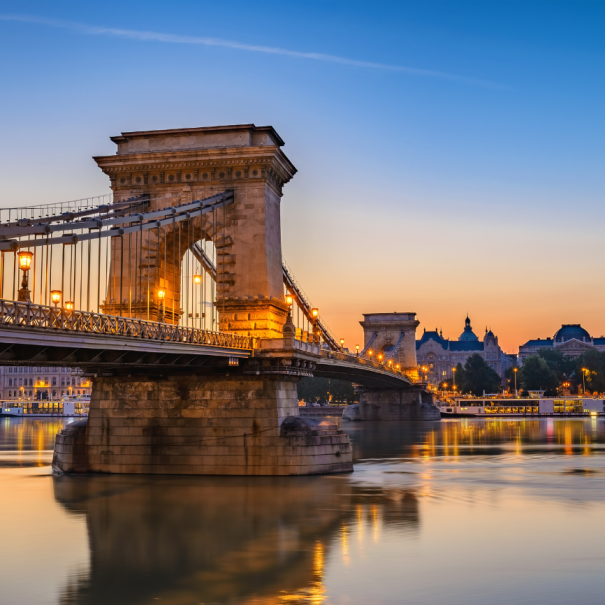
Chain Bridge (Széchenyi Lánchíd)
The Chain Bridge was the first permanent bridge to connect Buda and Pest and remains one of the city’s most iconic landmarks to this day. Its massive chains, stone lions, and elegant lines make it a true classic. An evening stroll is especially atmospheric when the lights come on and the city glows in warm tones. By the way, the lions guard more than just the bridge – they’re a popular photo motif and the secret stars of every Budapest trip.
St. Stephen’s Basilica
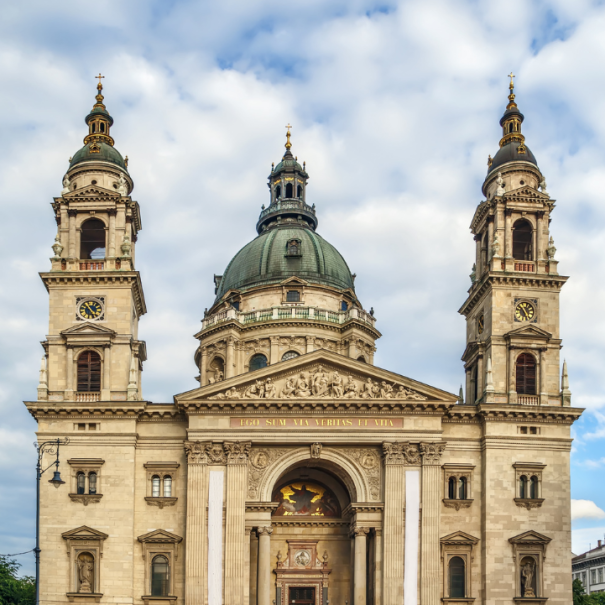
With its impressive dome, St. Stephen’s Basilica dominates the skyline of Pest. The interior is richly decorated and radiates a calm grandeur that impresses even those who aren’t usually into churches. Particularly popular is the viewing platform beneath the dome, offering a 360-degree view over the city. Those who dare can take the stairs – everyone else can use the elevator and save their energy for later.
Best Scenic Viewpoints
Gellért Hill & Citadel
Gellért Hill is one of the best places to take in Budapest in all its glory. From here, you can see both sides of the city, the Danube, and numerous bridges. The citadel at the summit dates back to the 19th century and once served military purposes. Especially at sunset, Budapest reveals its most romantic side from this spot.
Castle Hill
Castle Hill is not only home to Buda Castle, but also a true panorama paradise. From the walls and terraces, new sightlines over Pest and the Danube open up again and again. The combination of historic scenery and modern city life makes this place particularly appealing. Those who wander here in the evening experience Budapest in perhaps its most elegant version.
Culinary Highlights For Food Lovers
New York Café
Often referred to as “the most beautiful café in the world,” the New York Café is a temple of opulent coffeehouse style. Chandeliers, stucco ceilings, and marble columns create an atmosphere that feels more like a ballroom than a café. This is less about quick caffeine and more about the experience. A visit feels like a small journey back to the Austro-Hungarian era – with better espresso.
Costes
Costes is one of Hungary’s most renowned fine-dining addresses and was the first restaurant in the country to be awarded a Michelin star. The atmosphere is elegant without being stiff, and the cuisine combines Hungarian tradition with modern sophistication. Securing a table here means enjoying a culinary experience on an international level. Ideal for anyone who wants to experience Budapest at the highest level of taste as well.
Rosenstein
A true favorite among locals is the Rosenstein restaurant, known for its warm atmosphere and traditional Hungarian cuisine. Portions are generous, service is personal – and you rarely leave without a recommendation from the house. A place where you quickly feel like a regular.
Insider Tips & Hidden Gems
Hospital in the Rock
Beneath Castle Hill lies a very special museum: a former hospital and nuclear bunker system. The original rooms provide a striking insight into the history of World War II and the Cold War. The tour is fascinating, unsettling, and surprisingly informative. Definitely not something for a quick stop – but all the more impressive.
Fun Fact: The Hospital in the Rock was top secret until 2002 and only opened to the public afterward.
Károlyi Garden
Right in the busy center of Pest, this small, well-maintained park feels like a green breathing space. Károlyi Garden is perfect for escaping the hustle for a moment, reading a book, or simply people-watching. In spring, the garden is at its most beautiful. A spot many tourists overlook – and that’s exactly what makes it so pleasant.
Museums for Culture and History Enthusiasts
House of Terror
This museum is not light material, but an important place for coming to terms with Hungary’s 20th-century history. The House of Terror documents the era of fascist and communist dictatorships in a powerful way. Multimedia installations, original rooms, and personal stories make the visit very intense. Anyone interested in history should not miss this place.
Hungarian National Gallery
At the Hungarian National Gallery in the Castle Palace, art history comes to life. The collection spans from the Middle Ages to modern times and offers a comprehensive overview of Hungarian art. Particularly exciting is the combination of artistic enjoyment and spectacular views from the windows. A museum that perfectly unites content and setting.

Discover 70+ cities worldwide with professional audio guides – and counting! Thanks to integrated navigation, you’ll easily find your way, even without an internet connection. Whether it’s famous highlights or hidden gems – Plazes brings exciting tours and vivid stories straight to your smartphone. Completely free and no registration required. Download now and get started!


Photospots in Budapest
Danube Riverbank at Night
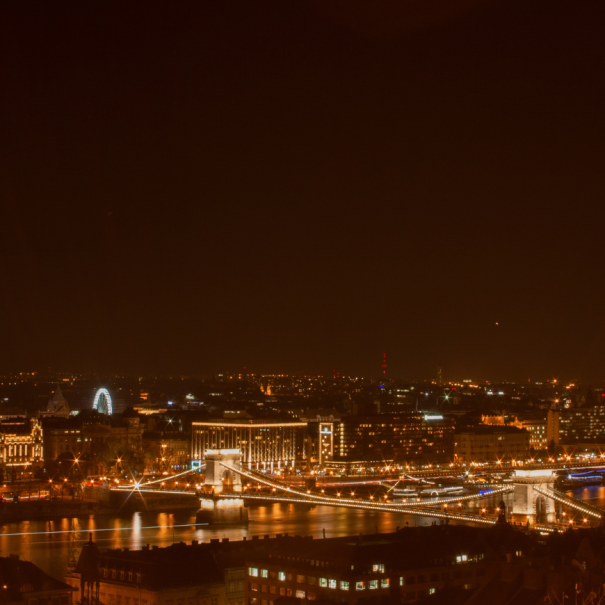
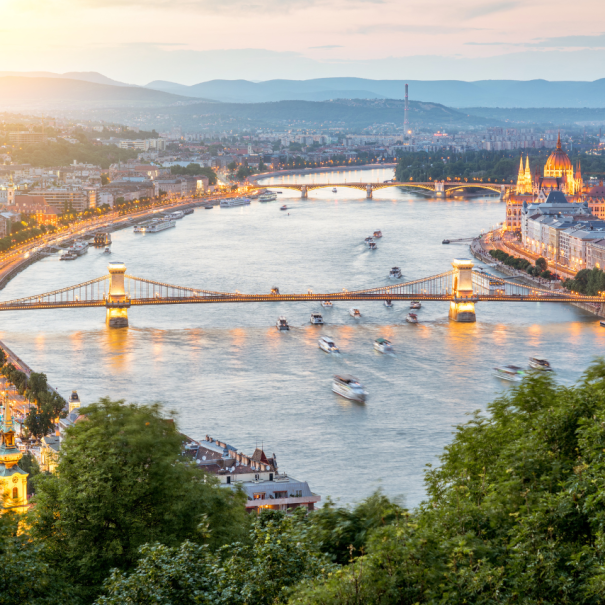
The illuminated buildings along the Danube are among the most beautiful cityscapes in Europe. The Parliament, Chain Bridge, and Castle Palace in particular create spectacular photo opportunities. A nighttime stroll is therefore worthwhile not only for romantics.
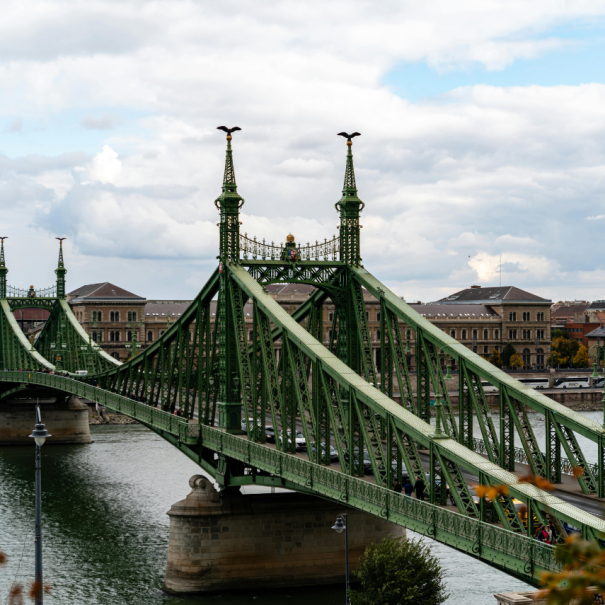
Liberty Bridge
The green Liberty Bridge is a real eye-catcher and offers great perspectives of Gellért Hill and the Danube. It may be less monumental than the Chain Bridge, but it is all the more photogenic. It’s especially popular at sunset.
Fun Fact: During the summer months, Liberty Bridge is regularly closed to car traffic and transforms into a meeting place with picnics, yoga sessions, and street music.
Shopping & Souvenirs
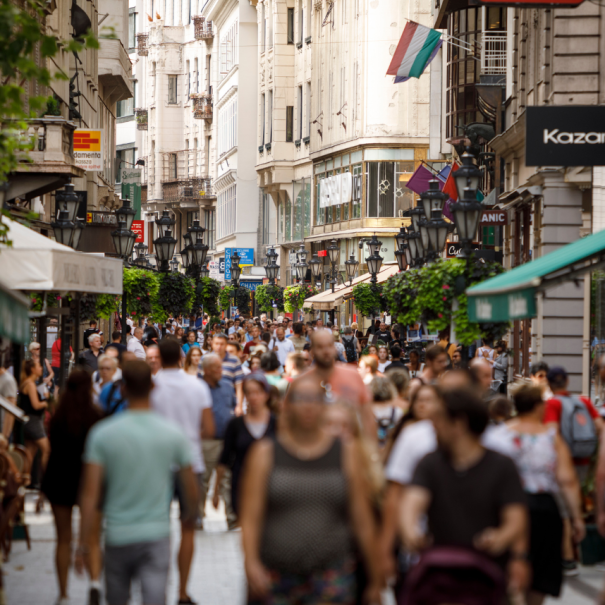
Budapest offers a diverse shopping scene, ranging from historic market halls to modern shopping streets. Váci Street is the city’s most famous promenade and ideal for getting an initial overview. Those looking for something more authentic should visit the Great Market Hall, where paprika, wine, and handmade products are sold.
A particularly special souvenir is Hungarian porcelain from the Herend manufactory or Pick salami from Szeged. Design shops in the Jewish Quarter also offer creative alternatives to classic souvenirs. And don’t worry: there’s always room in the suitcase – worst case, you’ll just rearrange things.
Tips for Cruise Passengers
Budapest is a popular stop for Danube cruises and is excellently prepared for guests arriving by water. Most ships dock centrally, making many sights easily accessible on foot. Alternatively, taxis or the well-developed public transport network are great options.
For longer distances, the metro is a fast and uncomplicated choice. If you’re short on time, focus on one side of the Danube and explore fewer places at a more relaxed pace. And yes: there’s almost always time for a thermal bath.
Tips for Solo Travelers
Budapest is considered a safe and well-organized city for solo travelers. Public transport is clear, affordable, and reliable even in the evening. Official tourist information centers in the city center are especially helpful, offering maps and up-to-date tips.
Cafés and ruin bars provide a relaxed atmosphere for striking up conversations with other travelers. If you’re traveling alone, you’ll rarely stay alone for long – unless you explicitly want to.
Conclusion
Budapest is a city that effortlessly combines history, indulgence, and relaxation. Between magnificent buildings, soothing thermal baths, and lively neighborhoods, it offers an enormous variety of attractions. Whether classic highlights like the Parliament or hidden spots away from the crowds – Budapest keeps surprising visitors.
For anyone who enjoys exploring cities independently, the Hungarian capital is an ideal destination. Well-structured, diverse, and full of character. In short: Budapest has a lot to offer – and it loves to show it.
FAQs:
1. Which side of the city should you explore first – Buda or Pest?
Pest is ideal for getting started, with the Parliament, the Danube promenade, and numerous cafés, as many sights are flat and easily accessible on foot. Buda, on the other hand, offers tranquility, greenery, and panoramic views (Castle Hill, Fisherman’s Bastion). The perfect combination is Pest during the day and Buda at sunset.
2. How much time do you realistically need for Budapest?
A weekend is enough for the main highlights (Parliament, Castle District, thermal baths). If you want to enjoy neighborhoods like Erzsébetváros (ruin bars), museums, or Margaret Island, you should plan 3–4 days.
3. What is the best way to get around the city?
Public transportation is efficient (metro, tram, bus). Tram line 2 along the Danube is a sight in itself. Walking is ideal for short distances. When using taxis, make sure they are official taxis.
4. Which culinary classics should you try?
Definitely try goulash, lángos, chicken paprikash, and Dobos cake. For modern Hungarian cuisine, bistros around Andrássy Avenue are a great choice. You’ll find street food in the market halls.
5. Is Budapest suitable for solo travelers and families?
Yes. The city is considered safe and easy to navigate. Parks (such as Margaret Island), river cruises, and thermal baths (be sure to check family-friendly hours) work well for all age groups.