Bruges – or “Brugge” in Dutch – is like a medieval painting brought to life. Cobblestone streets, canals, gabled houses, and the scent of freshly baked waffles accompany you at every step through the capital of West Flanders. The city is a UNESCO World Heritage Site and is considered one of the best-preserved medieval cities in Europe. Anyone strolling through its streets quickly feels as if they are on the set of a historical film – except that the backdrop is real and the chocolate tastes significantly better.
Top Attractions in Bruges
The Market Square (Grote Markt)
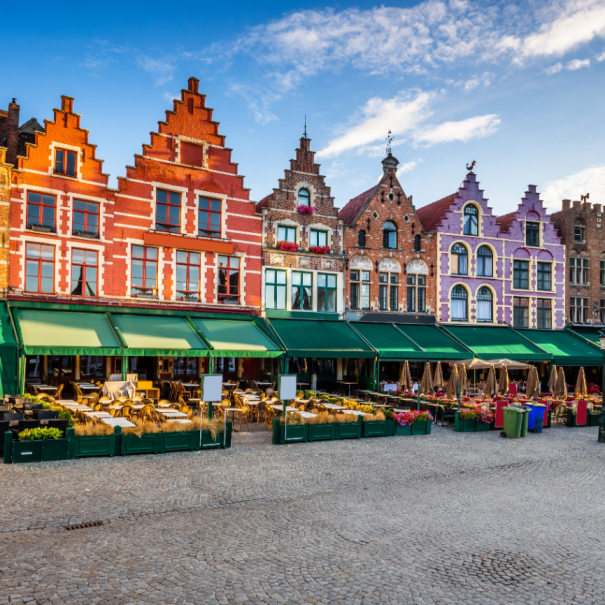
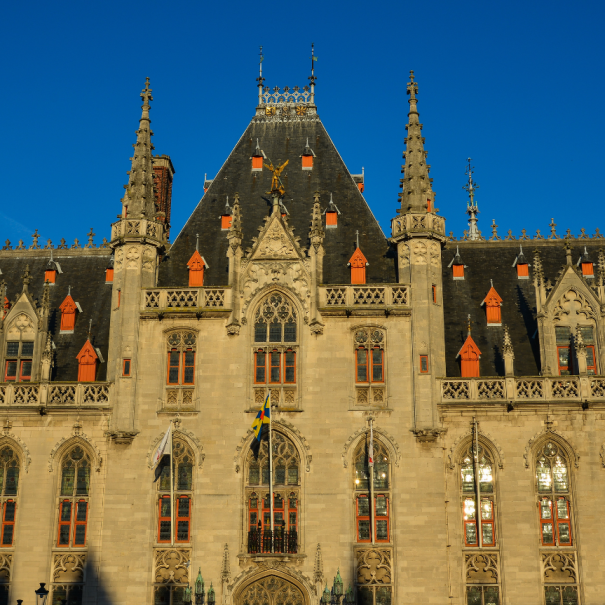
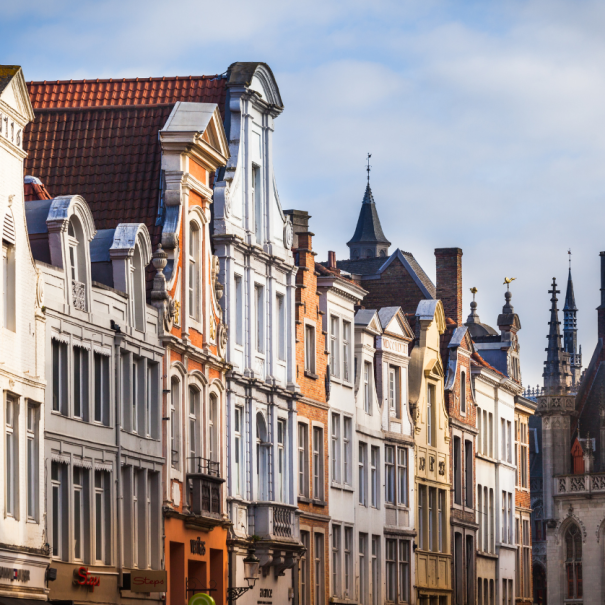
The heart of Bruges beats in the Grote Markt, a spacious square framed by colorful gabled houses. Since the Middle Ages, it has been both a trading center and a meeting place – today, locals, visitors, and horse-drawn carriages mingle here. Particularly impressive is the historic Provincial Court in neo-Gothic style. Those who take their time will discover countless architectural details in the façades. And yes, the temptation to simply sit here and watch the lively scene is strong.
The Belfry of Bruges (Belfort)
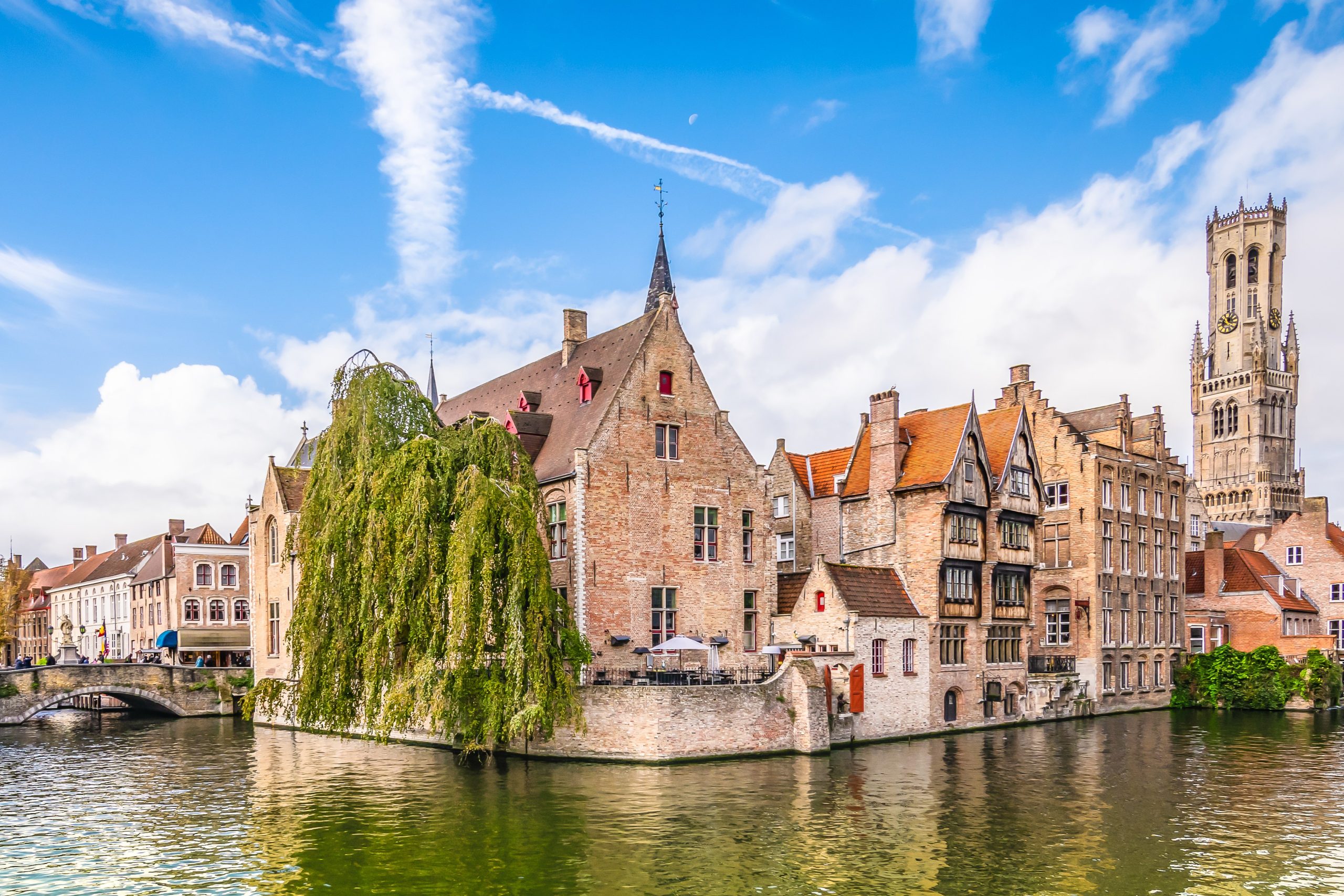
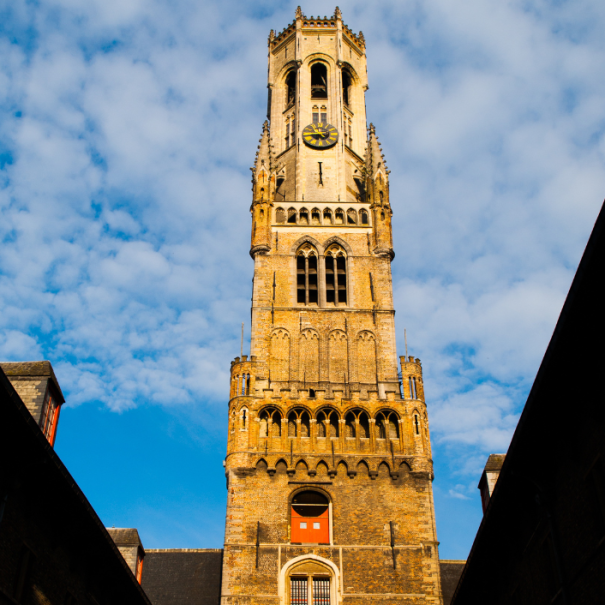
The 83-meter-high Belfry is the city’s landmark and has towered above the Market Square since the 13th century. Anyone who climbs the 366 steps is rewarded with a spectacular view over the rooftops of Bruges. Inside the tower is a carillon with 47 bells that regularly chime across the city.
Fun Fact: In the Middle Ages, the Belfry housed the city treasury as well as important documents – it was not only a lookout point but also the city’s vault.
Basilica of the Holy Blood (Basiliek van het Heilig Bloed)
Located directly on Burg Square, this extraordinary double chapel combines Romanesque and Gothic architecture. It is known for its relic, which is said to contain the blood of Christ according to tradition. The relic is displayed daily in a glass shrine – a moment that causes many visitors to pause. The richly colorful interior of the upper chapel is especially impressive.
Burg Square (Burg)
Burg Square is considered the cradle of the city’s history. Fortifications already stood here in the 9th century. Today, different architectural styles meet here – from Gothic to Renaissance to Classicism. In addition to the Basilica of the Holy Blood, the Gothic Town Hall from the 14th century, one of the oldest in Belgium, is also located here.
The Canals of Bruges
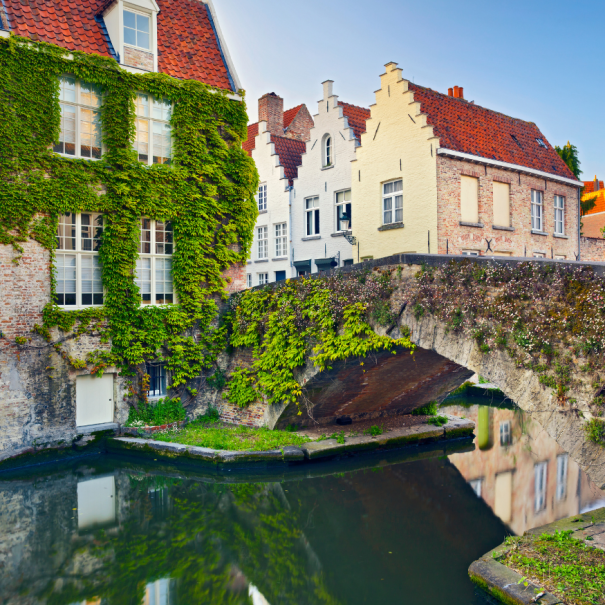
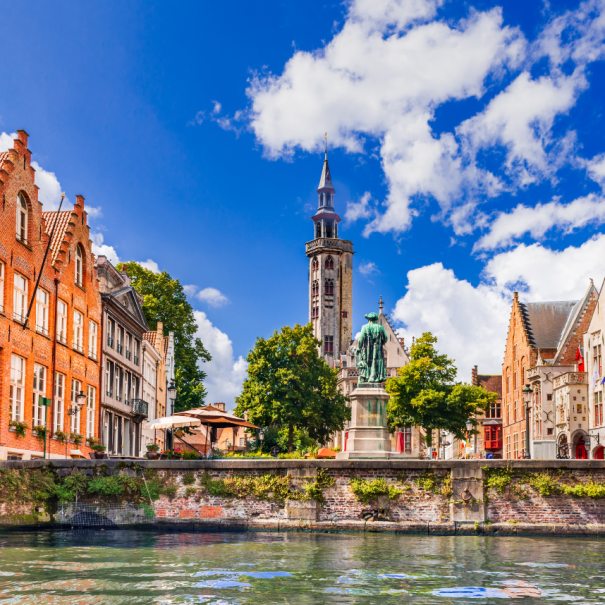
Bruges is often referred to as the “Venice of the North.” The city owes this title mainly to its picturesque canals. A boat trip along the waterways offers new perspectives on the medieval houses and hidden gardens. Especially in spring, blooming trees are reflected in the water. Romance factor? Definitely high.
Church of Our Lady (Onze-Lieve-Vrouwekerk)
With its 115-meter-high brick tower, the Church of Our Lady is one of the tallest brick churches in the world and shapes Bruges’ skyline from afar. Construction began in the 13th century and combines Romanesque and Gothic elements, reflected in the slender arches, the light-filled choir, and the elaborate tombs. Inside is one of the city’s most significant works of art: Michelangelo’s “Madonna and Child,” created around 1504.
Fun Fact: The Madonna was stolen during World War II but later returned to Bruges.
Beguinage (Begijnhof Ten Wijngaerde)
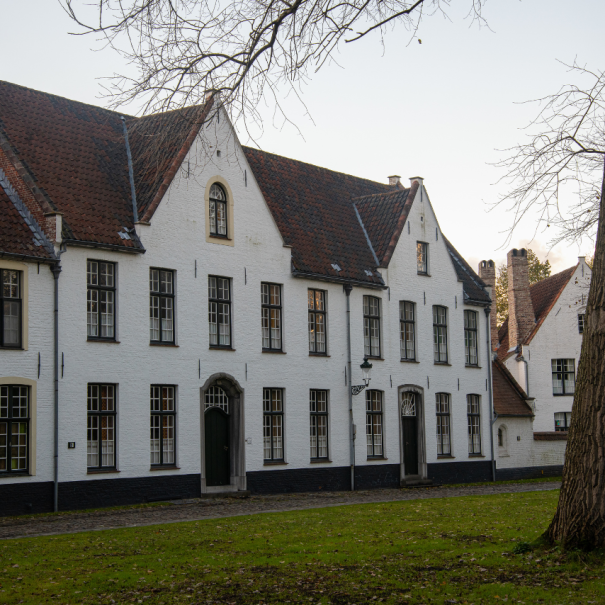
The 13th-century Beguinage is an oasis of tranquility. Whitewashed houses surround a green courtyard with old trees. Originally, beguines – religious women without monastic vows – lived here. Today, the area is a peaceful retreat where the medieval spirit of Bruges can be felt particularly intensely.
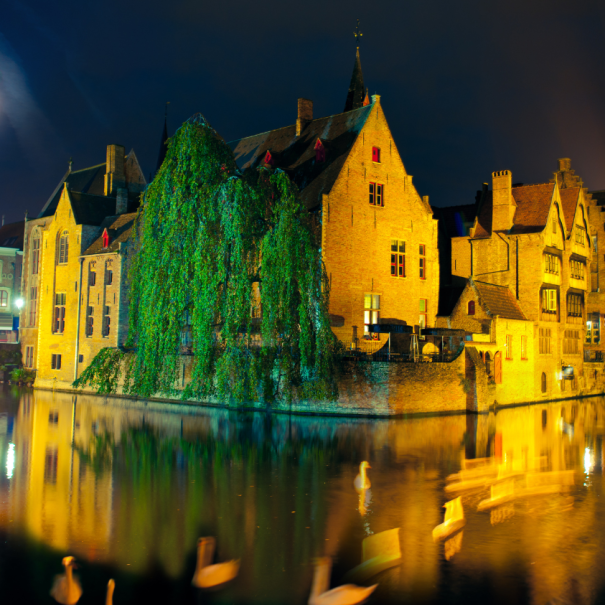
Rozenhoedkaai
This small quay is probably the most photographed spot in the city. Several canals meet here, framed by historic façades. As early as the Middle Ages, this area was an important trading site where goods were weighed and loaded. Today, it is above all the atmosphere that captivates visitors: brick houses, small towers, stepped gables, and the gentle splashing of boats create an almost perfect postcard scene.
Best Scenic Viewpoints
Boniface Bridge
Boniface Bridge is one of the most romantic corners of Bruges, even though historically it is younger than many assume. It was built in the early 20th century and nevertheless blends so harmoniously into the medieval cityscape that it is often believed to be much older. From here, you have a particularly idyllic view of the back of the Church of Our Lady, small courtyards, and quiet canal branches.
Culinary Highlights For Food Lovers
De Halve Maan
The De Halve Maan brewery is the last remaining active city brewery in the historic center of Bruges. Beer has been brewed here since 1856, now run by the same family in the sixth generation. During a tour of the historic brewing rooms, you will not only learn interesting facts about malt, hops, and fermentation processes, but also enjoy an impressive view over the city from the rooftop terrace.
Fun Fact: Between the brewery and the bottling plant outside the city center runs an underground beer pipeline about 3 kilometers long, replacing beer tanker trucks.
The Old Chocolate House
A paradise for chocolate lovers. On the ground floor, there is a small shop with a wide selection of handmade pralines, bars, and seasonal specialties. Upstairs, a cozy café awaits, serving hot chocolate in numerous variations – from classic dark to creamy white. Especially on cooler days, there is hardly anything better than sitting by the window with a steaming cup and watching the bustle in the streets.
Cambrinus
This traditional restaurant near the Market Square offers over 400 Belgian beers. Culinary-wise, Cambrinus focuses on traditional Flemish cuisine. Classics such as beef stew in beer sauce or mussels are regularly on the menu. The rustic interior with dark wood and historic elements creates a cozy atmosphere that is especially inviting in the evening.
Discover 70+ cities worldwide with professional audio guides – and counting! Thanks to integrated navigation, you’ll easily find your way, even without an internet connection. Whether it’s famous highlights or hidden gems – Plazes brings exciting tours and vivid stories straight to your smartphone. Completely free and no registration required. Download now and get started!


Insider Tips & Hidden Gems
Sint-Anna District
Away from the large streams of visitors, Bruges reveals its quieter side here. Residential houses, small squares, and traditional brick façades shape the cityscape. Especially around Sint-Annakerk with its Baroque interior, you can observe everyday life in the city. Walks through this district lead past local cafés, small shops, and surprisingly green corners.
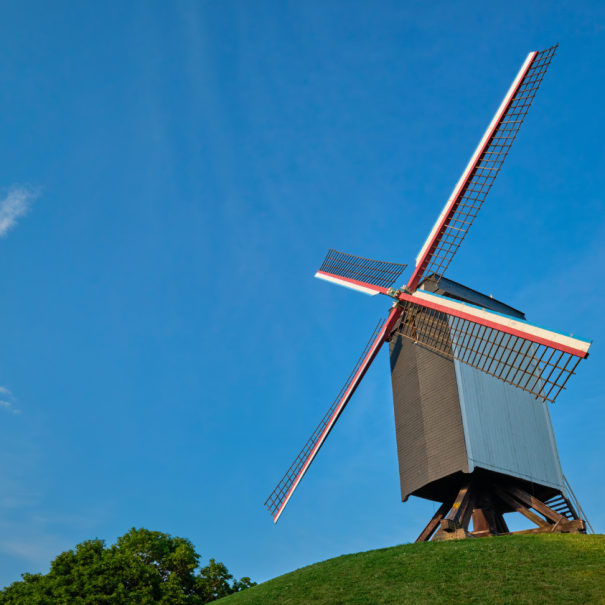
Windmills of Kruisvest
Along the old city fortifications near Kruisvest Park stand several historic windmills that recall the time when Bruges was an important trading center. Four mills are still preserved today, including Sint-Janshuismolen, which can be partially visited. From here, you have a beautiful view over the green ramparts and surrounding residential areas. The elevated location on the former defensive walls makes this area a pleasant walking route – especially in good weather.
Museums for Culture and History Enthusiasts
Groeningemuseum
The Groeningemuseum is the top address for art lovers in Bruges. It is particularly famous for its collection of the so-called “Flemish Primitives,” including works by Jan van Eyck, Hans Memling, and Gerard David. The detailed paintings from the 15th century impress with their precise technique and rich symbolism. In addition, the museum displays artworks from the Middle Ages to the 20th century, offering a comprehensive overview of the development of Belgian art. The exhibition rooms are modern and clearly designed, allowing the works to be presented to their best advantage. Anyone interested in European art history should definitely plan time for a visit here.
Historium Bruges
The interactive museum on the Market Square takes you on a multimedia journey back to the 15th century. Visitors follow a staged story that brings medieval life to life through films, sets, and interactive elements. This creates a vivid impression of how Bruges once functioned as a trading metropolis. The virtual reality experience, which offers a glimpse into the cityscape of that time, is particularly impressive. The tour is complemented by exhibitions on trade, art, and everyday life in the Middle Ages.
Shopping & Souvenirs
Bruges is famous for Belgian chocolate, fine lace, and traditional beer specialties – and these products also shape the shopping experience in the city. In streets such as Steenstraat and around the Market Square, chocolatiers, boutiques, and small specialty shops line up next to one another. Many chocolate shops still produce their pralines by hand and offer an impressive variety of flavors.
Those who prefer browsing in larger stores will also find international brands. Nevertheless, the charm of Bruges clearly lies in its small, individual shops, many of which have existed for generations. Shopping here is not just about consumption, but also about taking home a piece of local culture.
Tips for Cruise Passengers
Cruise ships usually dock in the port of Zeebrugge, about 15 kilometers from Bruges. From there, there are several ways to reach the city center. Shuttle buses are often offered directly from the port, alternatively, a train runs from Zeebrugge-Dorp station to Brugge Station. The journey takes around 15 to 20 minutes.
From Brugge Station, you can reach the historic center in about 15 to 20 minutes on foot or by bus. Since many cruise ships dock at the same time, it is advisable to set off early to avoid waiting times. Those who prefer to travel independently can also take a taxi – especially for several people, this can be a comfortable option.
As Bruges is compact, the main sights can easily be explored in one day. Comfortable shoes are nevertheless recommended – cobblestones and historic streets are charming, but not always gentle on the feet.
Tips for Solo Travelers
Bruges is considered a safe and manageable city, making it ideal for solo travelers. The historic center is compact and can easily be explored on foot. Thanks to clear signage and a well-organized infrastructure, it is easy to find your way around.
The official tourist information office is located on the Market Square and offers city maps, event information, and personal advice. Cafés and smaller restaurants provide a relaxed atmosphere where getting a table alone is usually no problem.
If you have a little more time, Bruges can easily be combined by train with other Belgian cities such as Ghent or Brussels. The Belgian rail network is well developed and allows for uncomplicated day trips.
Conclusion
Bruges combines medieval charm, impressive art treasures, and culinary tradition within a remarkably compact space. Between the Belfry, canals, and historic churches, a city unfolds that has visibly preserved its history while remaining vibrant. The mix of world-famous sights and quieter districts makes it easy to discover Bruges in your own individual way. Whether on a boat trip through the canals, enjoying the view from the windmills, or holding a cup of hot chocolate in your hand – Bruges slows you down in the most pleasant way. The distances are short, the impressions intense, and even a day visit leaves lasting memories.
FAQs:
1. Is a day trip enough for Bruges?
A day trip is enough to experience the main highlights such as the Market Square, the Belfry, and a canal boat tour. However, if you would like to enjoy the romantic atmosphere in the evening, visit museums, or explore the quieter streets away from the tourist crowds, you should plan for at least one overnight stay.
2. Is a canal boat tour worth it?
On foot, you can discover many details, but a boat trip through the canals opens up a completely new perspective of Bruges. The tours usually last about 30 minutes and pass under small bridges, alongside hidden courtyards and historic buildings.
3. What should you try in Bruges?
Bruges is known for Belgian waffles, fries, chocolate, and beer. A visit to a traditional chocolaterie or a local brewery such as De Halve Maan is especially recommended. Savory dishes like Flemish stew (stoofvlees) are also part of the regional cuisine.
4. What is the best way to get around in Bruges?
The Old Town is compact and largely car-free, making it ideal to explore on foot. Bicycles are also popular and can be rented easily. A car is not necessary within the city center, and parking is better located outside the Old Town.
5. Which viewpoints offer the most beautiful views over Bruges?
Climbing the Belfry (Belfort) is well worth it for an impressive view over the city’s rooftops. Alternatively, the area around Rozenhoedkaai offers particularly photogenic perspectives of the canals and historic façades – especially in the early morning hours or at sunset.