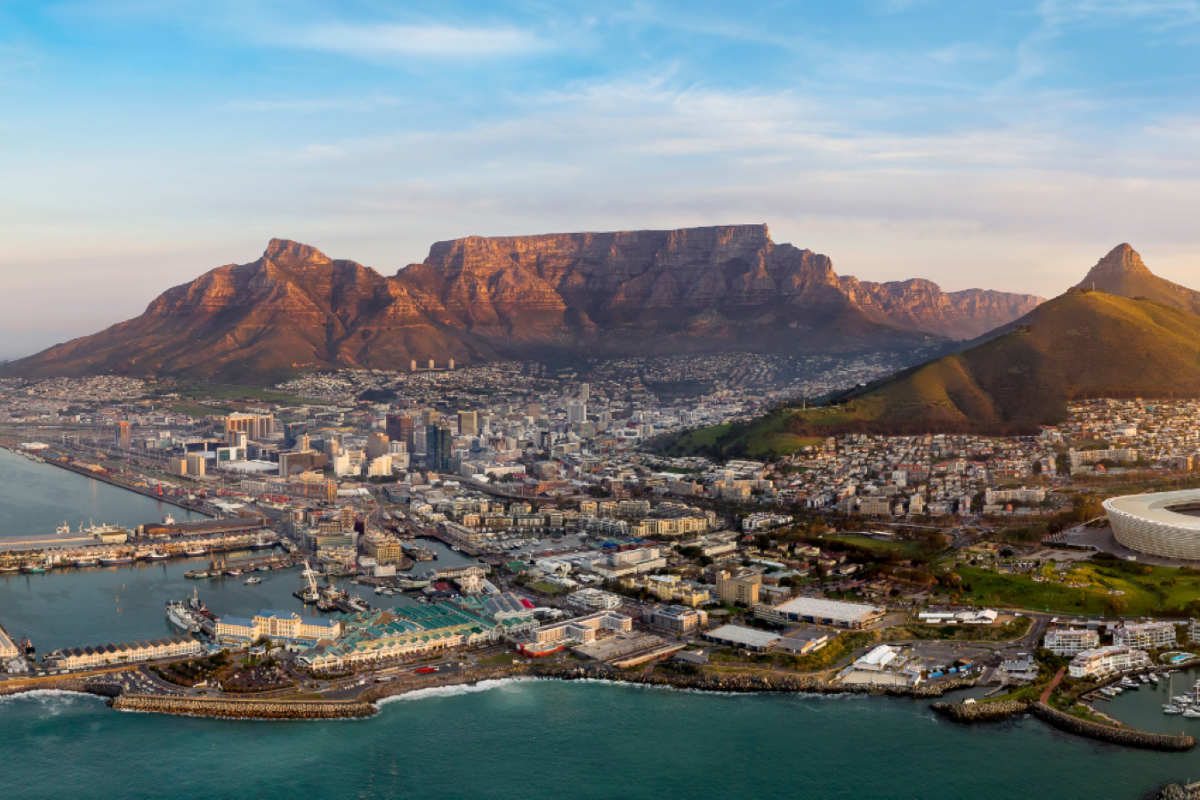
Cape Town is a city that effortlessly plays several roles at once: natural wonder, historic metropolis, food hotspot, coastal city, and outdoor paradise. Between Table Mountain, the Atlantic Ocean, colorful neighborhoods, museums, and spectacular roads, the South African metropolis sometimes feels like a best-of compilation of different travel destinations—except everything is bundled into one city.
That is exactly what makes Cape Town so appealing to travelers: you can walk through a historic district in the morning, have lunch overlooking the sea at midday, and by the afternoon already be standing on a mountain or along a dramatic coastline.
For our app and as an overview for anyone who wants to explore Cape Town independently, you will find the city’s most important highlights here—compactly selected but described in detail. Because Cape Town is definitely not a place that can be dealt with in two half-sentences and a moderately motivated sunset photo.
Top Attractions in Cape Town
Table Mountain
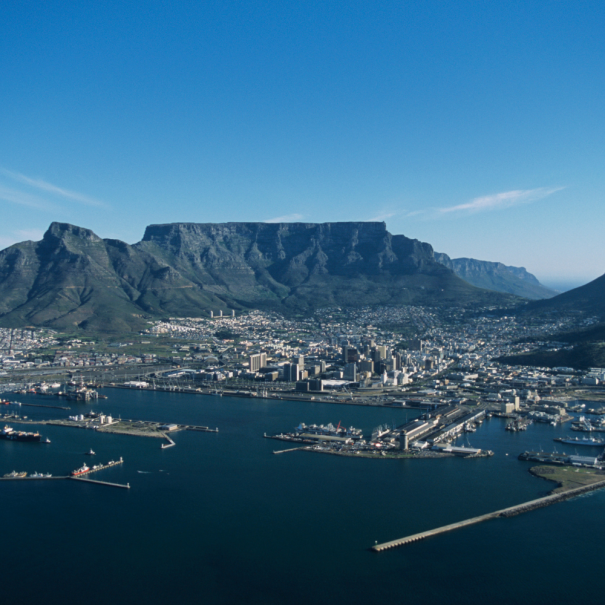
Table Mountain is the landmark of Cape Town and, for many visitors, the first place they think of when the city’s name comes up. The cable car takes you comfortably to the plateau, where you are rewarded with wide views over the City Bowl, Table Bay, the Waterfront, and—on a clear day—even as far as Robben Island.
Despite its iconic presence, the mountain is not just a photo opportunity but a genuine nature experience: several paths run across the wide plateau, making the visit more than just “up, look, down.”
Anyone planning to hike should take weather and equipment seriously, as Table Mountain can present very different conditions within a short period of time. Before visiting, it is always worth checking the official Table Mountain Aerial Cableway website or Cape Town Tourism.
Fun Fact: Table Mountain is one of the “New7Wonders of Nature.” The modern cable car slowly rotates around its own axis during the ride, turning the trip to the top into a small panoramic show—perfect for anyone who cannot decide which direction to admire first.
V&A Waterfront
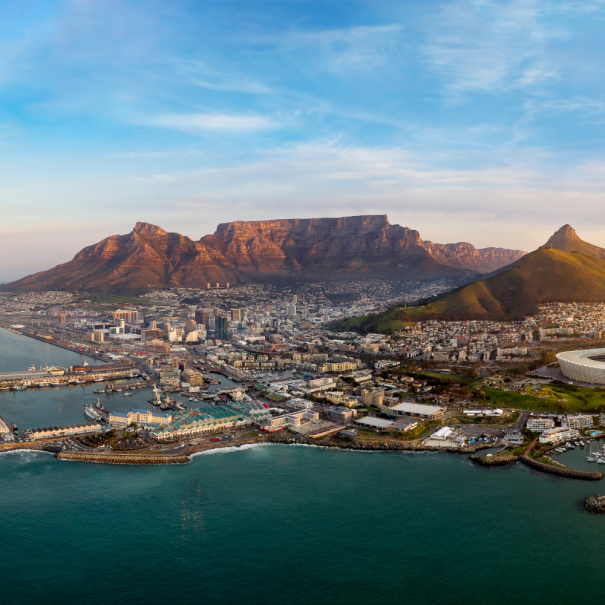
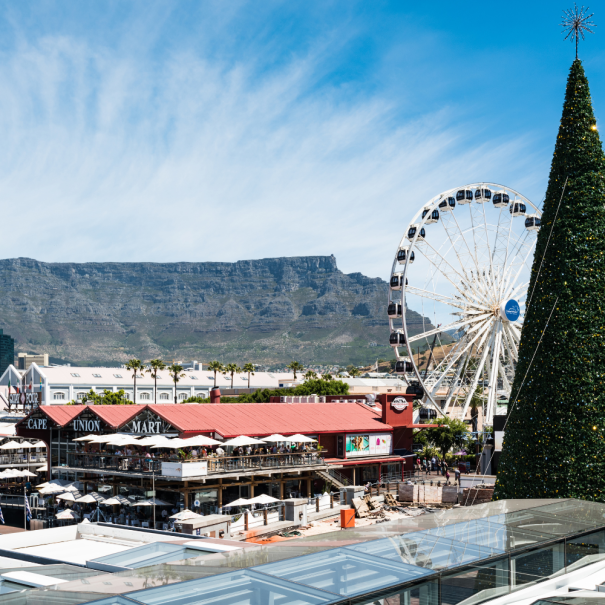
The Victoria & Alfred Waterfront is one of the most vibrant and diverse places in Cape Town. Here, harbor flair, restaurants, shops, markets, museums, and the almost ridiculously photogenic view of Table Mountain come together.
Especially for your first day in the city, the Waterfront is ideal because it is easy to navigate and many routes around the city can be planned conveniently from here.
Tours to Robben Island also depart from here, making the Waterfront not only beautiful but also logistically very practical—and on vacation, practicality can sometimes be almost as valuable as a great view.
Robben Island
Robben Island is one of South Africa’s most important historical sites and far more than just a well-known island off the coast. For centuries, it served as a place of exile, isolation, and imprisonment. It is especially deeply anchored in collective memory as the prison island of the apartheid era.
Nelson Mandela spent a large part of his imprisonment here before later becoming president, and this history still makes the place incredibly moving today.
Robben Island is now a UNESCO World Heritage Site and museum. The tour begins at the Nelson Mandela Gateway at the Waterfront and is less traditional sightseeing and more an intense insight into South African history.
Bo-Kaap
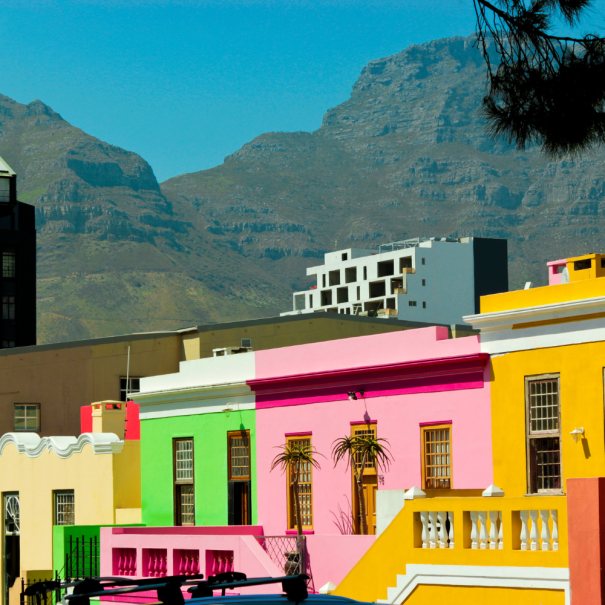
Bo-Kaap is one of Cape Town’s most famous neighborhoods and is best known at first glance for its colorful house facades. But the district is much more than a pretty photo backdrop: it is closely connected to the history of Cape Muslims and an important place of cultural memory in the city.
Walking through its steep streets, you quickly feel that history, identity, and everyday life are closely intertwined here. Anyone wanting to dive deeper should combine the walk with a visit to the Bo-Kaap Museum in order to not only see the place but also understand it better.
Kirstenbosch National Botanical Garden
At the foot of Table Mountain lies Kirstenbosch, one of the most famous botanical gardens in the world. Instead of strict flower beds, you will find a spacious garden landscape embedded in nature, featuring South African plants, large lawns, peaceful paths, and a magnificent mountain backdrop.
Particularly popular is the treetop walkway called the “Boomslang,” which offers elevated views over parts of the garden and toward the mountains.
Kirstenbosch is ideal for anyone who would like to experience a calmer, greener side of Cape Town after so much city life, coastline, and history.
Fun Fact: the name “Kirstenbosch” is historically documented and already appeared in records in 1795. In other words, even the name of the garden is older than many national histories—and it has aged far better than some travel guide trends from the 2000s.
Cape Point and the Cape of Good Hope
A trip to Cape Point and the Cape of Good Hope is one of the great classics around Cape Town—and rightly so. Here, steep cliffs, wind, sea, lighthouses, and a spectacular coastal landscape come together in a setting that almost feels exaggeratedly dramatic, but actually exists exactly like that.
Many people mistakenly believe Cape Point to be the southernmost point of Africa. Geographically that is not correct, but as the scenic highlight of the Cape Peninsula, the location is still a perfect hit.
If you prefer not to walk the entire way up, you can take the Flying Dutchman Funicular and save some elevation without missing the view.
The Best Viewpoints in Cape Town
Signal Hill
Signal Hill is the ideal viewpoint for anyone who wants impressive views without planning a full-scale hike. The hill is easily accessible by car or taxi and offers wide views of the city center, the Waterfront, the Atlantic Ocean, and neighboring Lion’s Head.
The atmosphere here is especially beautiful at sunset, when the sky, sea, and city are bathed in warm evening light. At the same time, Signal Hill is a popular place to watch paragliders take off—adding an extra touch of “Cape Town doing Cape Town things again.”
Lion´s Head
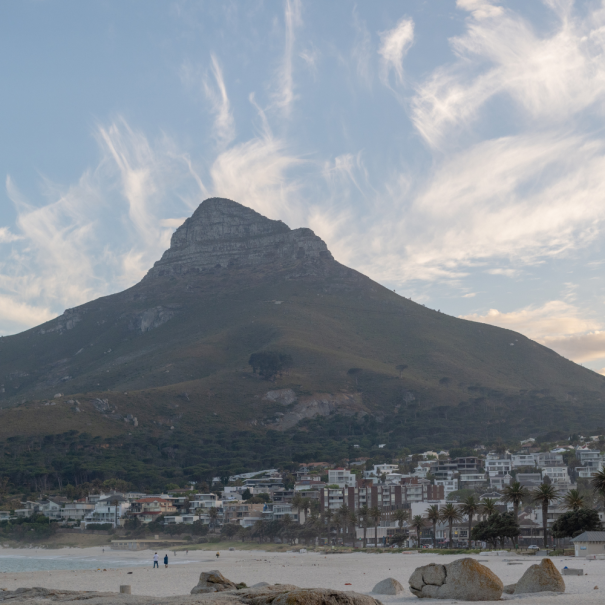
Lion’s Head is one of the city’s most famous viewpoints and is particularly popular at sunrise and sunset. The mountain sits prominently between Signal Hill and Table Mountain and offers almost complete panoramic views of the city, Camps Bay, the coastline, and the surrounding mountains.
The hike is manageable but requires sure-footedness, some stamina, and sensible planning—especially if you are heading up early in the morning or in the evening.
Precisely because the view is so spectacular, Lion’s Head is one of those places you do not just visit—you usually remember it for a long time afterward.

Chapman’s Peak Drive
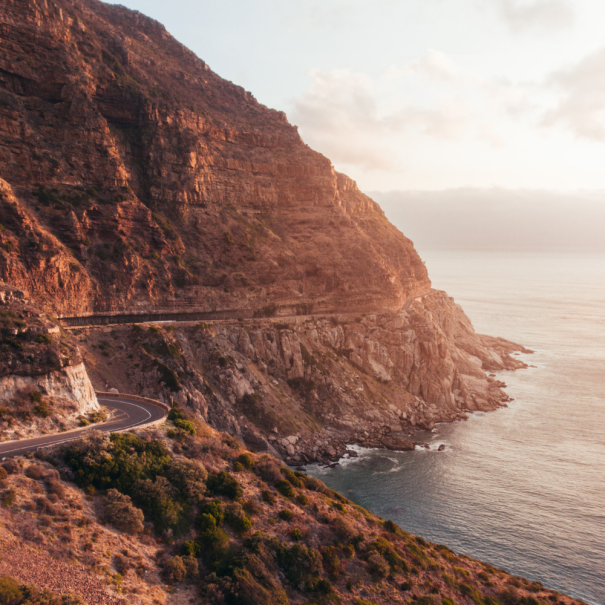
Chapman’s Peak Drive is one of the most impressive viewpoints in the region—even though technically it is a scenic road. Between Hout Bay and Noordhoek, it runs directly along steep cliffs and repeatedly opens up views of the ocean and the rugged coastline.
Several viewing bays invite you to stop briefly—or longer—to take photos and simply enjoy the scenery.
If you are traveling by rental car, you should definitely include this route in your plans, because rarely does driving feel so much like being in a movie.
Fun Fact: Chapman’s Peak Drive is considered one of the most spectacular coastal roads in South Africa. Anyone driving it for the first time quickly understands why a “short photo stop” often turns into half an hour.
Culinary Spots for Food Lovers
Kloof Street House
Kloof Street House is one of the most atmospheric restaurant addresses in the city. Housed in a Victorian building with an almost enchanted garden, it combines stylish surroundings with a pleasantly lively—but never hectic—atmosphere.
In the evening especially, the place takes on an almost cinematic mood, making it an ideal spot for a special dinner.
It is one of those places where you originally just wanted to have a quick meal and suddenly find yourself very satisfied while checking the time. Gerade am Abend entsteht hier eine fast filmische Atmosphäre, die das Restaurant zu einem idealen Ort für ein besonderes Dinner macht.
Oranjezicht City Farm Market
The Oranjezicht City Farm Market at the Waterfront is perfect for anyone who prefers discovering culinary diversity in a relaxed setting. The market supports numerous local farmers and food vendors and is particularly popular on weekends with both locals and visitors.
Here you can have breakfast, snack, taste different dishes, and at the same time get a good sense of the relaxed and pleasure-oriented side of Cape Town.
At the same time, the place combines gastronomy with local production—much more charming than a random food court with sad neon lighting.
La Colombe
La Colombe in Constantia is one of the most renowned restaurants in South Africa and is especially known for its creative, elegant cuisine.
The location in the green Constantia Valley alone makes the visit special, and the kitchen deliberately turns dinner into an experience.
Anyone who wants to discover Cape Town’s more sophisticated culinary side will find one of the city’s best addresses here. Reservations should be made in advance—spontaneity is wonderful, but not always the strongest strategy against very good restaurant lists.
Discover 70+ cities worldwide with professional audio guides – and counting! Thanks to integrated navigation, you’ll easily find your way, even without an internet connection. Whether it’s famous highlights or hidden gems – Plazes brings exciting tours and vivid stories straight to your smartphone. Completely free and no registration required. Download now and get started!


Hidden Gems & Secret Places
Arderne Gardens
The Arderne Gardens in the Claremont district are a wonderfully peaceful green space that often stays under the radar for many visitors. Old trees, small paths, water features, and a tranquil atmosphere make the park a beautiful counterbalance to the often energetic city life of Cape Town.
This place is not about major attractions but about mood, calmness, and small discoveries. Precisely for that reason, it is so pleasant—you do not always have to be spectacular to remain memorable.
Kalk Bay Harbour
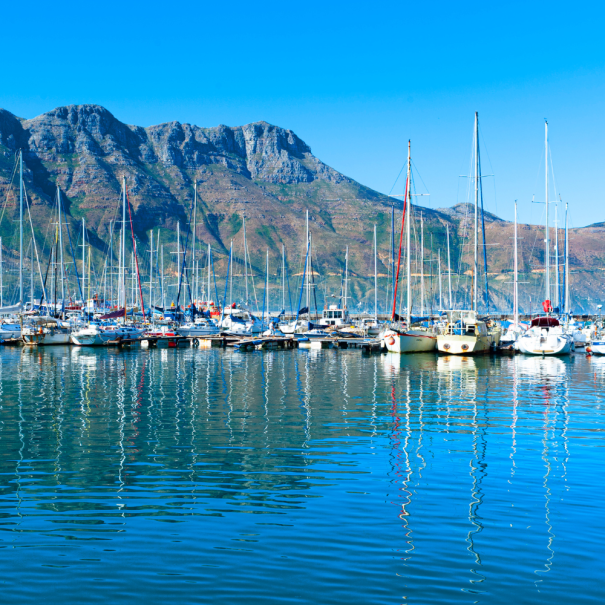
Kalk Bay is known as an excursion destination, but the small harbor area still feels pleasantly relaxed and authentic. Fishing boats, cafés, small shops, and often even seals at the quay create a charming mixture of everyday life, coastal flair, and local atmosphere.
Anyone traveling along False Bay should definitely stop here to experience Cape Town from a less polished but very likable perspective.
Kalk Bay Harbour is exactly the kind of place where you originally just wanted to “take a quick look” and end up staying much longer.
Museums for Culture and History Fans
Zeitz MOCAA
Zeitz MOCAA at the Waterfront is the major museum for contemporary art from Africa and its diaspora. The building itself is spectacular, as it was created inside a converted grain silo and is an architectural attraction in its own right.
Inside, you will find changing exhibitions, powerful artistic positions, and works that often address social, political, and cultural questions.
Even those who normally do not rush into every museum whenever they see the word “Exhibition” are often very pleasantly surprised here.
District Six Museum
The District Six Museum is one of the most important places to better understand the history of apartheid in Cape Town. It commemorates the once lively District Six neighborhood and the forced removals that drove tens of thousands of people from their homes.
The visit is moving, personal, and far more than just an exhibition—it makes history tangible. Anyone who truly wants to understand Cape Town should consciously take time for this place.
Shopping & Souvenirs
Cape Town is an excellent place to look for souvenirs that do not feel like mass-produced items. A good starting point is the V&A Waterfront with its many shops, the Watershed for local design and crafts, and short distances to markets and restaurants.
Particularly interesting are handmade products from South African labels, design objects, ceramics, textiles, and smaller gifts from local production.
If you prefer a more classic market atmosphere, you should also plan a visit to Greenmarket Square in the city center, where crafts, souvenirs, and African handmade goods are sold.
The Oranjezicht City Farm Market is also a good place for culinary souvenirs or small specialties.
In general, in Cape Town it is worth paying attention to quality and local origin rather than the first standard souvenir you see. That way you do not just take home something random, but ideally a piece of the city with character. And that is, as we all know, far nicer than a fridge magnet that already lost its emotional impact on the second day of vacation.
Tips for Cruise Passengers
The Cape Town Cruise Terminal is operated by the V&A Waterfront and offers immigration and luggage services, restaurants, currency exchange options, and transport and tourism information directly at the terminal.
This is especially practical because after docking you do not need to search long for orientation—you can get useful information immediately on site.
Thanks to its harbor location, you are also quickly at the Waterfront and therefore in one of the most pleasant and tourist-friendly parts of the city.
For short port stays, it is worth planning your route realistically. Waterfront, Bo-Kaap, Company’s Garden, or Signal Hill can be easily combined; a full Peninsula excursion to Cape Point, on the other hand, is better suited for more time or a very clearly structured day plan.
Taxi and ride-hailing services are usually the most convenient solution for quick transfers. Anyone renting a car should keep in mind that while Cape Town is fantastic for road trips, with limited time it is easy to plan more than the day realistically supports.
Tips for Solo Travelers
Cape Town is exciting, open, and very suitable for exploring independently, but like many large cities it requires a reasonable level of awareness.
The official Cape Town Tourism TravelWise brochure points out that visitors should follow basic safety rules—especially during hikes, in remote areas, and when handling valuables.
Hikes such as Lion’s Head or Table Mountain should preferably not be done alone and only in good conditions. Even for spontaneous evening plans, it is wise to organize transport beforehand instead of relying on coincidence and local magic.
The official tourist information offices of Cape Town Tourism are also helpful, such as the City Hall Visitor Experience Office or the airport location. There you can receive practical information, tips, and orientation for your stay.
For solo travelers, areas like the Waterfront, Kloof Street, Camps Bay, or central museums and garden areas are usually particularly pleasant during the day.
In general: walk confidently, plan your routes consciously, and stay attentive—adventure yes, unnecessary chaos rather not.
Conclusion
Cape Town is a city that combines nature, history, culinary delights, and urban life in an extraordinary way. Between Table Mountain, Robben Island, Bo-Kaap, Cape Point, markets, museums, and coastal towns, the metropolis constantly reveals itself in a different light—and that is exactly what makes it so appealing.
You can experience a lot here in a single day without the city ever feeling random or interchangeable. Instead, Cape Town often feels as if it reveals another impressive side every time you change perspective.
FAQs:
1. What should you absolutely not miss in Cape Town?
Table Mountain, the V&A Waterfront, Bo-Kaap and—if you have enough time—Robben Island are among the city’s most important highlights.
2. How many days should you plan for Cape Town?
Three to four days are ideal for a good first impression, but with more time the region can be experienced much more relaxed.
3. Is Cape Town easy to explore independently?
Yes, many attractions can be discovered independently as long as you plan your route sensibly and follow basic safety precautions.
4.When is the best time to visit Cape Town?
The warm and drier months from November to March are particularly popular, although Cape Town is generally attractive all year round.