Milan is a city that cannot be explained with a single cliché. Of course, the Lombard metropolis is world-famous for fashion and design, but between Gothic splendor, Renaissance art, historic districts, and a modern skyline, it reveals many other facets. It is precisely this mixture that makes Milan so exciting for city travelers: world-famous highlights, stylish cafés, quiet courtyards, and creative corners are often only a few minutes apart. So anyone visiting the city does not get a monotonous sightseeing backdrop, but rather a complete urban package with style—and sometimes also with surprisingly good espresso on every second corner.
So that you get a compact but still versatile overview, this article presents ten particularly worthwhile places in Milan—spread across classic sights, viewpoints, culinary experiences, hidden gems, museums, and photo spots. This keeps the article clear and structured without leaving out the city’s most important sides.
Top Sights in Milan
Milan Cathedral
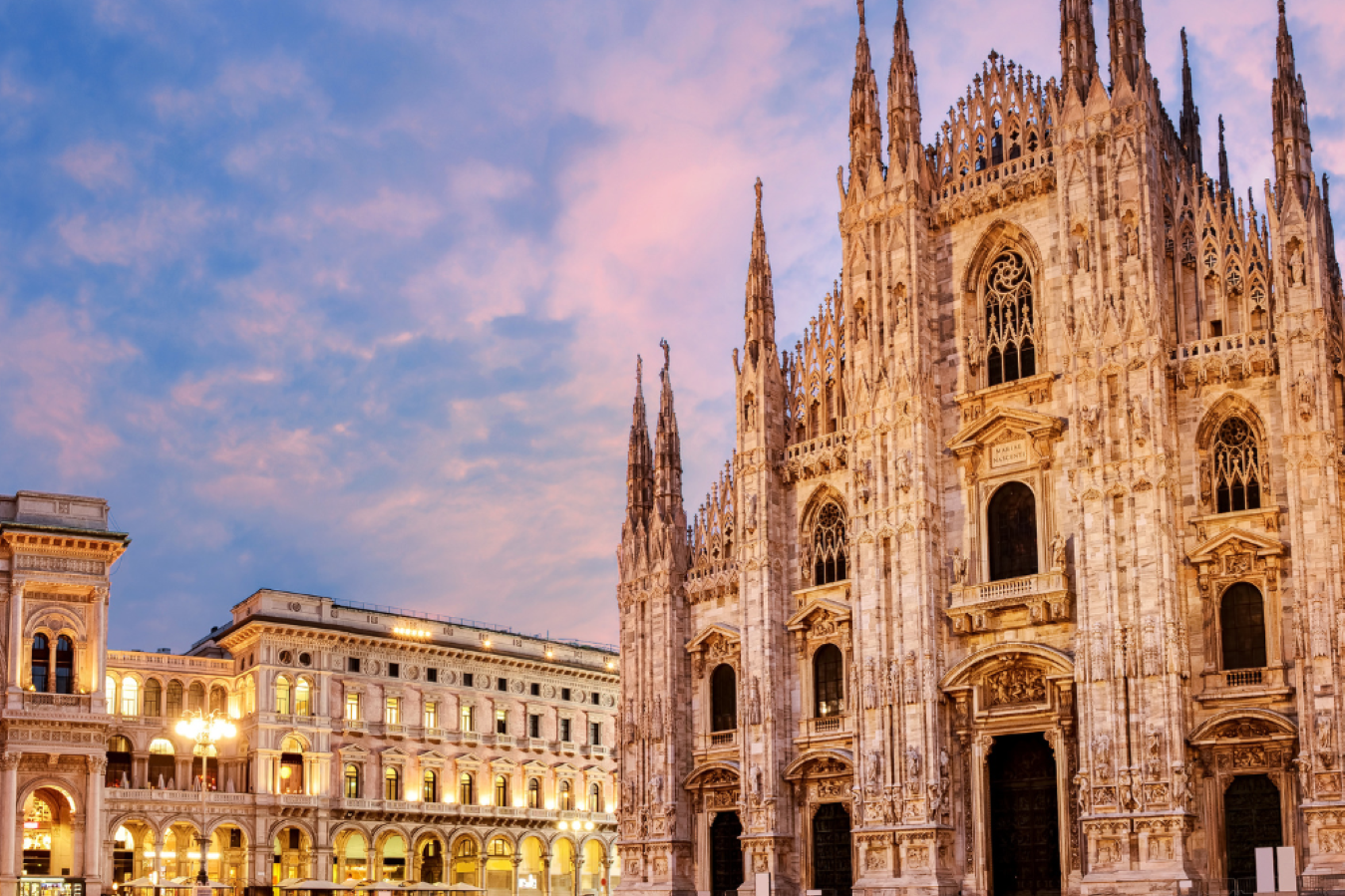
Milan Cathedral is the city’s landmark and, without any debate, deserves first place. Its delicate Gothic façade, countless spires, and monumental presence make it a structure whose full impact is hardly captured even in photos. Inside, towering columns, colorful windows, and an atmosphere that feels both solemn and overwhelming leave a strong impression. Anyone visiting Milan should start here—hardly any other place conveys the city’s grandeur and history so impressively.
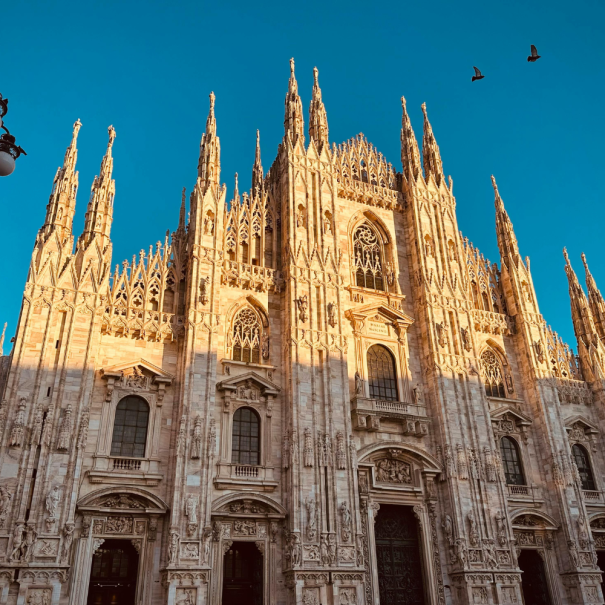
Fun Fact: At the very top of the cathedral stands the golden Madonnina, which has been regarded as a symbol of Milan since the 18th century. For a long time, it was almost a matter of honor in the city that no building should rise higher than her—so Milan had a very consistent relationship with skyline etiquette from an early stage.
Galleria Vittorio Emanuele II
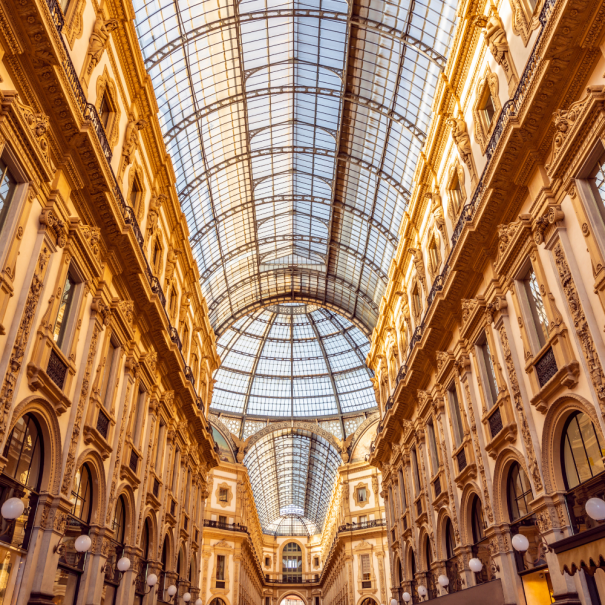
Right next to the cathedral lies the magnificent Galleria Vittorio Emanuele II, one of the most famous shopping arcades in Europe. Beneath its glass roof, elegant architecture, historic cafés, and luxurious shops come together, so that even a simple stroll through the arcade feels like a stylish activity in itself. Even if you are not a shopping fan, it is worth visiting for the atmosphere, the mosaics, and the impressive construction. Milan makes it very clear here that even a passageway can have more grandeur than an entire boulevard elsewhere.
Santa Maria delle Grazie & the last supper
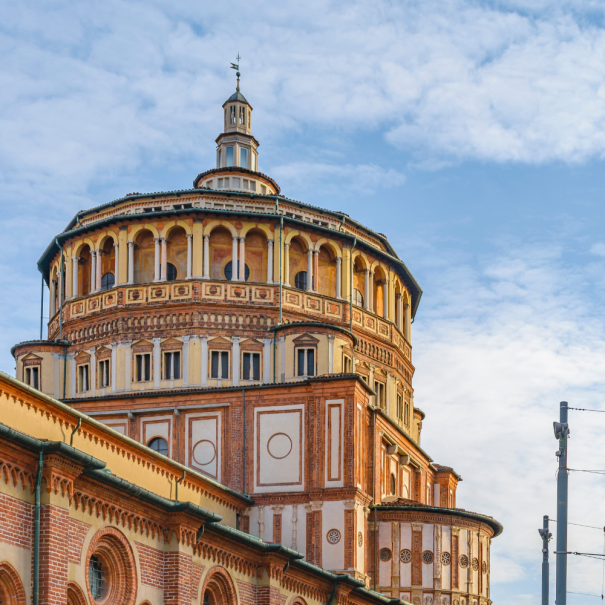
The church of Santa Maria delle Grazie is above all a must-stop because of one world-famous work of art: Leonardo da Vinci’s The Last Supper. The mural is one of the best-known works in art history and at the same time so delicate that visits are strictly regulated. That is exactly why the moment in front of the artwork feels especially intense, because the time there is short and attention is correspondingly high. The church itself is also worth seeing and gives the visit a dignified historical setting.
Fun Fact: For conservation reasons, visits to The Last Supper are strictly time-limited. There are hardly any other places where people look at a work of art with such focus—without already thinking about the next snack or photo stop.
Navigli
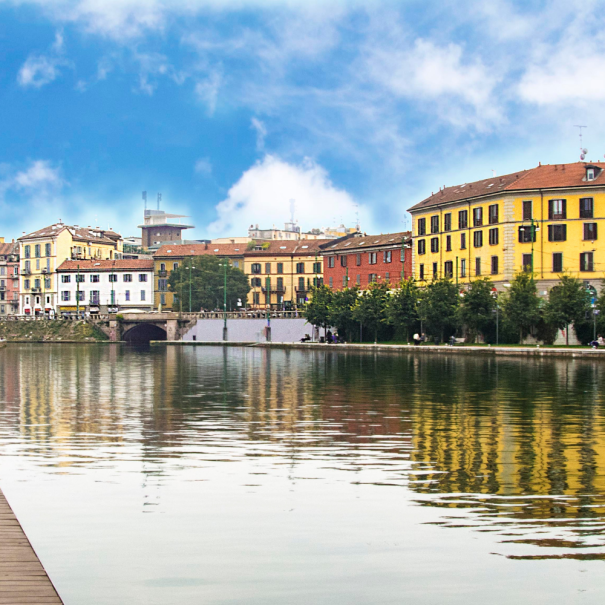
The Navigli show Milan from its relaxed, lively, and almost slightly romantic side. Around the historic canals, bars, small shops, walking paths, and pretty corners line up one after another, charming during the day and especially atmospheric in the evening. Anyone who, after the grand monuments, feels like experiencing a little more city life and a little less stone monumentality is in exactly the right place here. The district is ideal especially for strolling and for a relaxed end to the day.
Fun Fact: The Navigli canal system was developed over centuries and, during the Renaissance, was also further shaped by ideas from Leonardo da Vinci. You could say that in Milan, even the waterways have an impressive résumé.
Best Scenic Viewpoints
Rooftops of Milan Cathedral
If you choose only one viewpoint in Milan, it should be the cathedral rooftops. Instead of simply looking at a building, here you move right through its architectural details—past spires, statues, and stone ornaments. The view over the city is magnificent, and on clear days even the Alps are visible on the horizon. The experience is not only beautiful but also unusual, because here architecture is not just observed, but practically walked through.
Discover 70+ cities worldwide with professional audio guides – and counting! Thanks to integrated navigation, you’ll easily find your way, even without an internet connection. Whether it’s famous highlights or hidden gems – Plazes brings exciting tours and vivid stories straight to your smartphone. Completely free and no registration required. Download now and get started!


Culinary Highlights For Food Lovers
Peck
Peck in Milan has long been much more than just a delicatessen—it is a culinary institution. Anyone who loves high-quality delicacies, stylish presentation, and Italian enjoyment combined with Milanese elegance will be very happy here. Even a short visit gives a good sense of how pleasure-oriented and, at the same time, sophisticated the city’s culinary scene can be. Peck is ideal for a break, for browsing, or for finding a gift that has far more class than a carelessly bought magnet at the train station.
Luini
Luini is a true Milanese institution and is especially famous for its legendary panzerotti—small filled pastries that are freshly fried or baked. Located right near the cathedral, a quick stop here is almost a must for many visitors. The combination of crispy dough and savory filling is simple, but that is exactly what makes it so good. Perfect for a quick snack in between that has far more character than classic fast food.
Trattoria Milanese
Trattoria Milanese is a wonderful place to experience typical local dishes in an authentic atmosphere. Classics such as risotto alla Milanese or ossobuco take center stage here and show how down-to-earth yet refined Milanese cuisine can be. Anyone who wants not only to see the city but also truly taste it will get a very genuine insight into regional cuisine here—without unnecessary fuss, but with plenty of flavor.
Insider Tips & Hidden Gems
San Bernardino alle Ossa
SSan Bernardino alle Ossa is one of Milan’s most unusual places and remains in almost every visitor’s memory. The small chapel is especially famous for its walls decorated with skulls and bones—macabre, impressive, and at the same time surprisingly quiet. Precisely because this place is not one of the typical standard stops for many first-time visitors, it feels all the more special. Anyone who wants to get to know Milan beyond the major classics will find a sight here with real individuality.
Museums for Culture and History Enthusiasts
Pinacoteca di Brera
The Pinacoteca di Brera is one of Italy’s most important art museums and a must for anyone who loves painting and culture. The collection includes outstanding works from different periods and thus offers a wonderful counterbalance to Milan’s more famous architectural highlights. The Brera district itself also contributes greatly to the special atmosphere of the visit, as it feels elegant, creative, and pleasantly relaxed. Anyone who wants to combine art and urban flair is exactly right here.
Fotospots in Milan
Brera
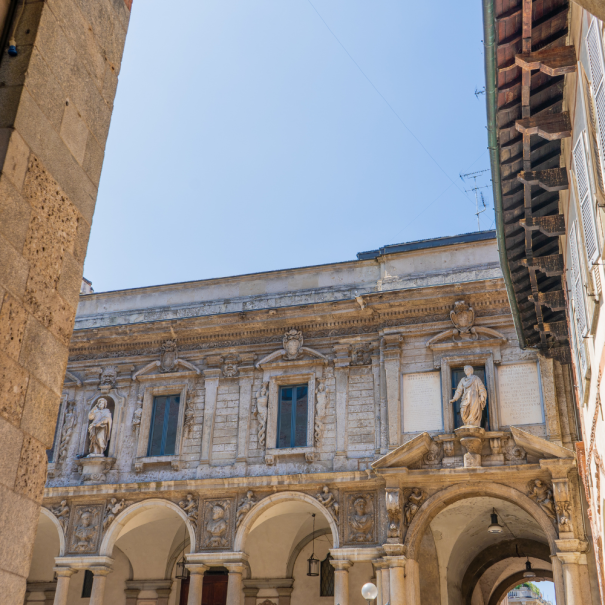
Brera is less a single spot and more an entire district full of photogenic details. Narrow streets, beautiful façades, stylish entrances, small squares, and an overall very elegant character create the appeal of this neighborhood. Anyone who enjoys taking atmospheric city photos will not find loud staging here, but many fine motifs with charm. That is exactly why Brera often looks particularly authentic in pictures.
Piazza del Duomo
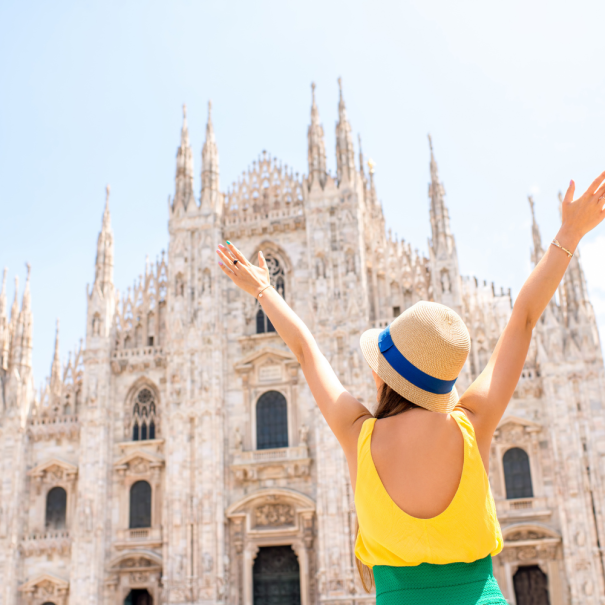
Piazza del Duomo is the city’s classic photo spot—and for good reason. Here, the cathedral, the openness of the square, and the pulsating city life come together, almost automatically creating strong images. The light is especially beautiful in the morning and the square is a little quieter, while later on more dynamism and urban life enter the frame. For an iconic Milan photo, this place is hard to beat.
Shopping & Souvenirs
Milan is one of Europe’s great shopping cities, but good shopping here means much more than luxury labels. Of course, the Galleria Vittorio Emanuele II is an iconic place for strolling, and the Quadrilatero della Moda around Via Montenapoleone is world-famous as well. But neighborhoods such as Brera are equally exciting, where smaller boutiques, design shops, and stylish stores often feel more individual.
For culinary souvenirs, Peck is an excellent address, while traditional establishments such as Pasticceria Marchesi are a lovely option for elegant sweet souvenirs. If you are looking for a keepsake that does not look like a hectic last-minute purchase, Milan sets the bar pleasantly high. Here, even a small purchase often looks as if it had been prepared with a very well-thought-out mood board.
Tips for Cruise Passengers
Milan is not a classic port city, but it is often used as a pre- or post-cruise program—especially in connection with Genoa, Savona, or La Spezia. If you are arriving from or departing via Genoa, you should allow enough time for the transfer, because even with good transport connections, having a buffer with luggage is always a smart idea. From Linate Airport, you can now reach the city directly via the M4 metro line, which makes arrival much easier. From Malpensa, there are also good train and shuttle connections toward the center, mostly to Milano Centrale.
For a short stay before or after the cruise, a compact sightseeing program is recommended in Milan. The route Cathedral – Galleria – La Scala – Brera works especially well because these points are relatively central and easy to combine. If you have more time, you can also add a detour to the Navigli. That way, you get a lovely impression of the city without using up the day with too much logistics.
Tips for Solo Travelers
Milan is very well suited for solo travelers because the city is manageable, well connected, and culturally diverse. Many attractions are relatively central or can be reached quickly by metro, so even when traveling alone, planning is uncomplicated. Neighborhoods such as Brera, Porta Nuova, or the Navigli are particularly pleasant for solo travelers because they are great for walking, taking photos, or taking a break in a café. Milan works very well at your own pace—and that is often ideal for solo travelers.
The official tourist information in the center as well as the official city and public transport websites are also helpful. Important visits, especially The Last Supper, should be booked in advance if possible. As in any major city, it also applies here: keep a close eye on valuables in heavily frequented areas. Overall, however, Milan is a very pleasant choice for solo trips because culture, food, and relaxed city life go very well together here.
Conclusion
Milan is a city that offers far more than just fashion and big names. Between the cathedral, the Galleria, Leonardo, the art museum, and the Navigli, it reveals itself as a metropolis that combines history, style, and a modern urban feeling with great elegance. It is precisely this mixture that makes it so appealing: in the morning you can admire Gothic architecture, at midday experience art, and in the evening get to know the more relaxed side of Milan by the canal.
Anyone looking for a European city that feels monumental and at the same time lively will be very happy here. Milan is not the loudest city in Italy, but it is one of the most self-assured. And that is exactly what often makes it so memorable.
FAQs:
1. How many days should you plan for Milan?
Two to three days are enough to have a good overview and combine all the important sights.
2. What should you absolutely see in Milan?
The Milan Cathedral, the Galleria Vittorio Emanuele II, Santa Maria delle Grazie with The Last Supper, and the Navigli are absolute must-see highlights. With these, you already cover the most important facets of the city very well.
3. Is Milan also suitable for a short trip?
Yes, Milan is an excellent destination for a short trip. Many of the most important places are relatively central and can easily be combined with one another.
4. Is Milan worth visiting even for non-shoppers?
Absolutely. The city offers magnificent architecture, significant art, fascinating museums, and very atmospheric neighborhoods—completely without any pressure to go shopping.
5. When is the best time to visit Milan?
Spring and autumn are especially pleasant, as temperatures are usually milder and the city is easy to explore on foot. Summer can get hot, while winter is often quieter and appealing as well.