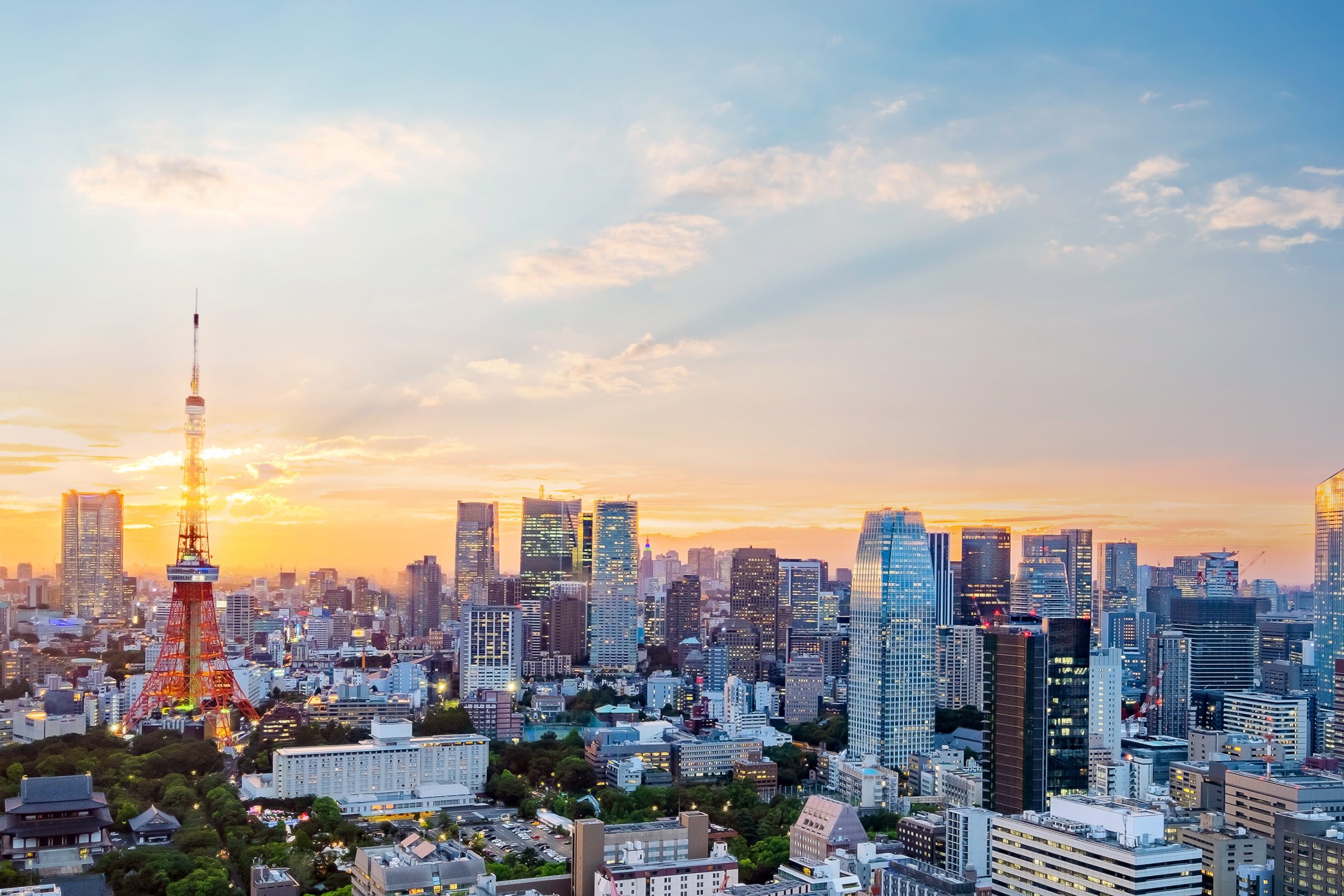
Tokyo is a city of contrasts—and that’s exactly what makes it so fascinating. Between ancient temples, tranquil gardens, futuristic observation towers, and neighborhoods that seem to run on “double espresso energy” even at night, Japan’s capital reveals its very own unique charm. At first glance, the metropolis feels huge, fast-paced, and sometimes a little overwhelming, but it rewards visitors with an incredible diversity. Anyone exploring Tokyo quickly realizes: here, tradition and the future are not just close together—they often share the same street.
Top Attractions in Tokyo
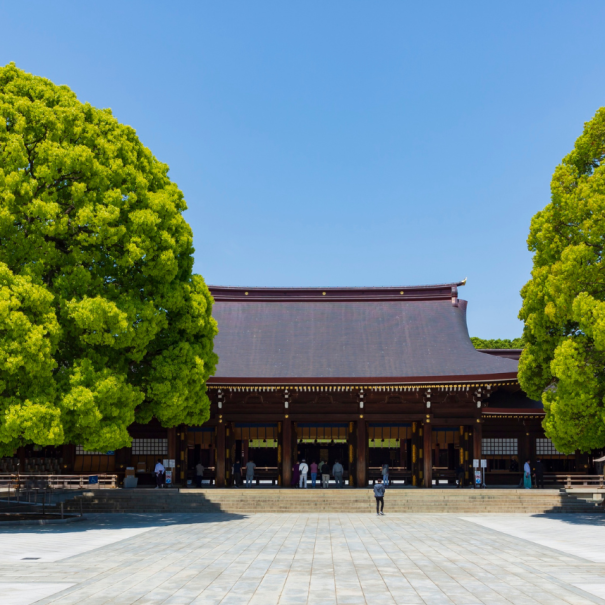
Sensō-ji
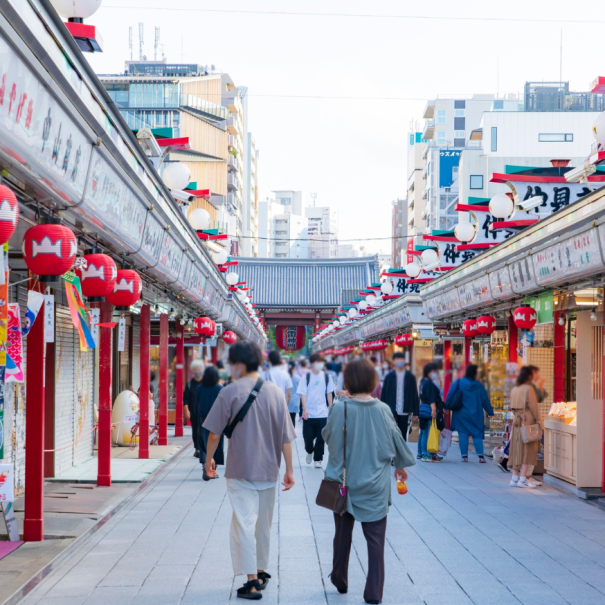
Sensō-ji in the Asakusa district is one of Tokyo’s most important landmarks and the city’s oldest temple. Even the approach is an experience: walking through the famous Kaminarimon Gate and along Nakamise-dōri shopping street, you step into an atmosphere that feels both lively and deeply traditional. Between souvenir stalls, incense, and prayer rituals, you get a glimpse of historic Tokyo that you might not expect in a megacity of this size. Early in the morning, the temple is especially atmospheric and noticeably more relaxed than later in the day.
Fun Fact: The temple’s origins date back to the year 628. According to legend, three fishermen discovered a statue of Kannon in the Sumida River—a rather spectacular catch for an ordinary morning by the water.
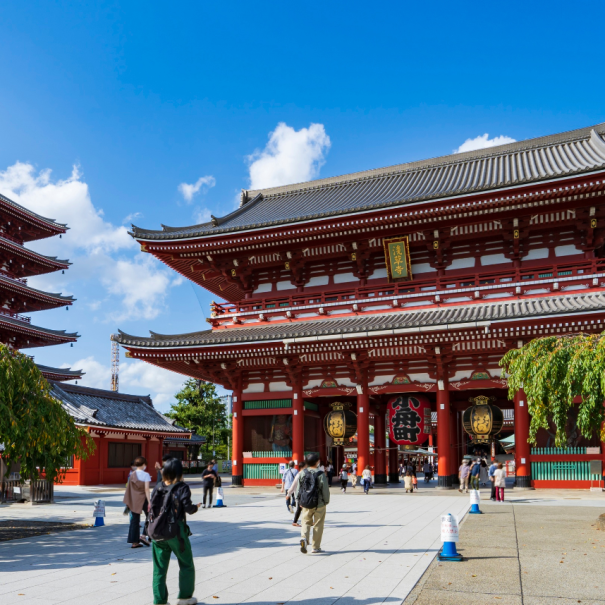
Shibuya Scramble Crossing
Shibuya Scramble Crossing is far more than just an intersection—it’s one of the most iconic symbols of modern Tokyo. As soon as the lights turn green, crowds move simultaneously from all directions, yet this urban ballet functions surprisingly smoothly. Surrounding it are neon lights, department stores, restaurants, and an energy you feel more than you can describe. If you want to experience Tokyo at its most dynamic, this is exactly the place.
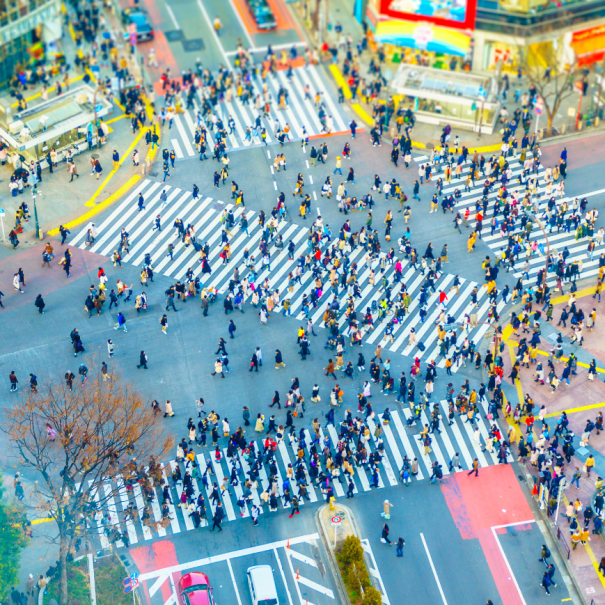
Meiji Shrine
Right in the middle of the city, Meiji Shrine feels like a peaceful counterworld of forest, gravel paths, and wooden torii gates. Just walking through the spacious wooded grounds naturally slows your pace—a rare experience in a fast-moving city like Tokyo. The shrine is dedicated to Emperor Meiji and Empress Shōken and is one of Tokyo’s most important spiritual sites. A morning visit is particularly beautiful, when light filters through the treetops and the noise of the city feels surprisingly far away.
Fun Fact: The forest surrounding the shrine appears ancient, but it is man-made. Around 100,000 trees were donated from across Japan—Tokyo doesn’t just do skyscrapers, it also excels at long-term planning.
teamLab Planets TOKYO
teamLab Planets is not a classic attraction, but an immersive art experience that combines art, technology, and physical perception. Visitors walk partially barefoot through spaces filled with water, light, mirrors, and digital installations that change through your presence. The experience is modern, playful, and sometimes so surreal that you briefly wonder whether you’re still in a museum or already inside an elegant science-fiction scene. For travelers who want to not only see Tokyo but truly feel it, this is a great addition to the classic highlights.
Ueno Park
Ueno Park is an ideal spot for anyone looking to combine culture, nature, and city life. Several major museums are located in and around the park, along with walking paths, greenery, and the beautiful Shinobazu Pond. In spring, it becomes one of Tokyo’s most famous cherry blossom spots, but it’s worth visiting outside the Sakura season as well. If you’re looking for a versatile stop, you’ll find several attractions in one place here.
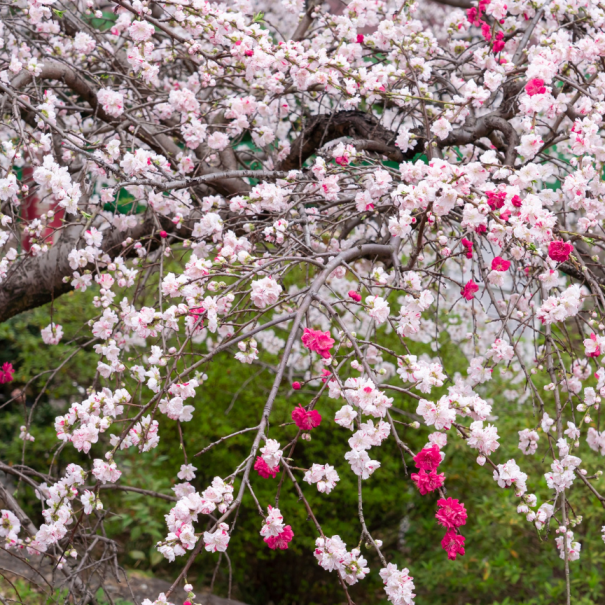
Imperial Palace East Gardens
The East Gardens of the Imperial Palace are among the most beautiful historic sites in central Tokyo. Located on the grounds of the former Edo Castle, they combine manicured gardens with massive stone walls, moats, and remnants of the Tokugawa shoguns’ residence. Walking through the area makes it clear how deeply Tokyo’s history continues beneath its modern skyline. At the same time, the gardens are pleasantly quiet—almost as if the city has consciously taken a pause here.
Shinjuku Gyoen
Shinjuku Gyoen is one of the most elegant parks in the city and a wonderful retreat among Shinjuku’s skyscrapers. It combines Japanese, French, and English garden styles, making it diverse, spacious, and beautifully maintained. Between ponds, lawns, bridges, and pavilions, it’s easy to forget that one of Tokyo’s busiest districts lies just outside.
Best Scenic Viewpoints
Tokyo Skytree
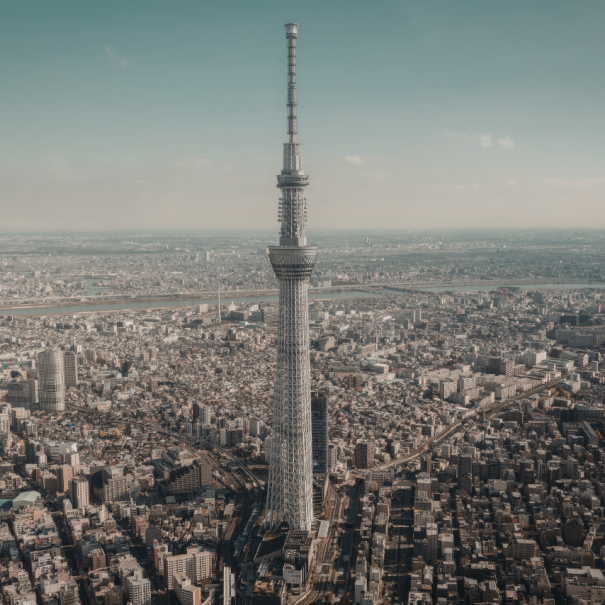
Tokyo shows its futuristic side with the Tokyo Skytree. The tower rises prominently above the cityscape and offers breathtaking views from its observation decks—on clear days, even as far as Mount Fuji. The contrast between dense neighborhoods, the winding Sumida River, and the endless sea of buildings stretching to the horizon is especially impressive. If you want to truly grasp Tokyo’s scale, this is one of the best places to do it. In the evening, a fascinating pattern of lights makes the city look almost unreal. From this height, even Tokyo suddenly seems orderly—at least for a moment. It’s also convenient to combine a visit with the Sumida and Asakusa areas.
Tokyo Tower
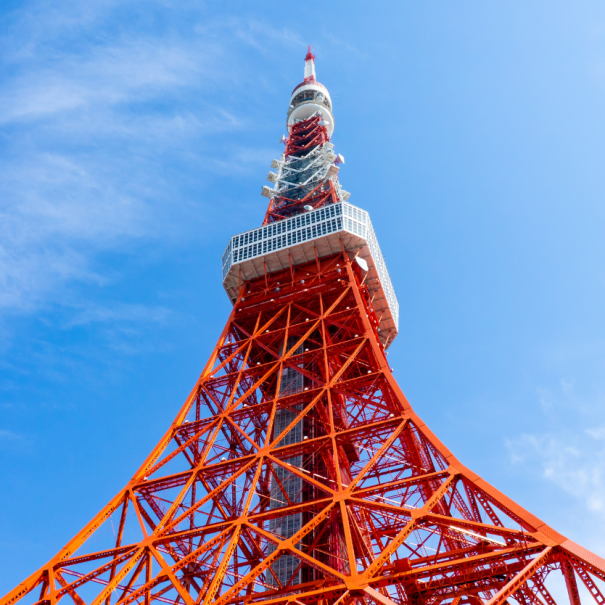
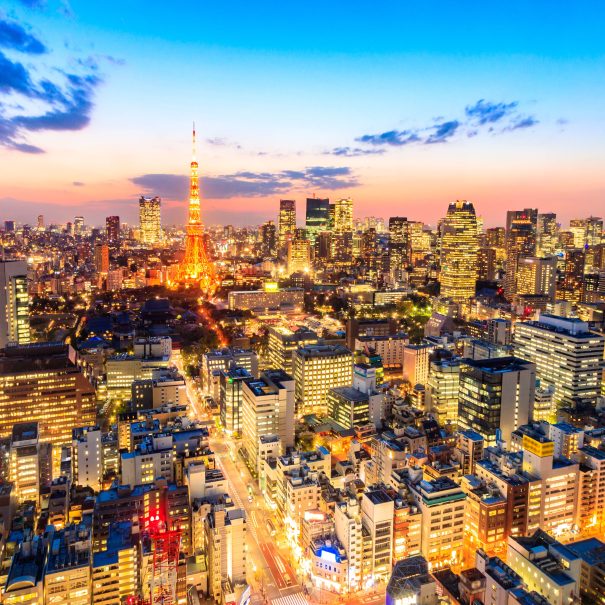
Tokyo Tower is the more nostalgic counterpart to the Skytree and remains one of the city’s most iconic structures despite being smaller. It resembles the Eiffel Tower slightly but has its own charm, especially at night when illuminated. From the top, Tokyo looks almost cinematic: temples, highways, and glass facades merge into a dense panorama. If you love classic city icons, you’ll feel right at home here.
Tokyo Metropolitan Government Building Observation Deck
If you’re looking for a great view without spending extra money, the Tokyo Metropolitan Government Building in Shinjuku is a perfect choice. Its observation decks are 202 meters high and free to access—almost a small miracle in Tokyo. From the top, you can see Shinjuku’s skyscrapers and, on clear days, Mount Fuji. A great tip for those who want to see a lot without constantly testing their budget.
Shibuya Sky
Shibuya Sky is one of the city’s most modern viewpoints, combining panorama, design, and urban atmosphere beautifully. The open rooftop platform offers direct views of the surrounding districts and, of course, the famous Scramble Crossing. Sunset is particularly magical, as the city slowly transforms into a sea of lights. If you want to experience Tokyo in a modern, youthful, and visually impressive way, this is the place.
Culinary Highlights For Food Lovers
Tsukiji Outer Market
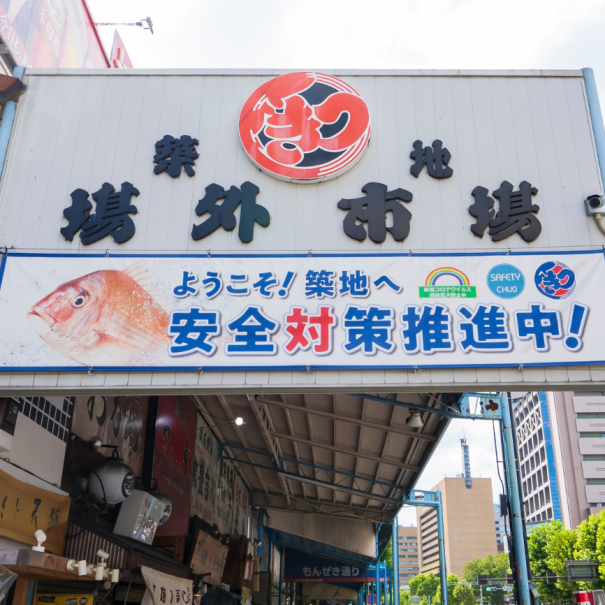
Even though the famous wholesale fish market no longer operates in its original form, Tsukiji Outer Market remains one of the most exciting places to explore Tokyo’s food scene. Narrow alleys are lined with small shops, stalls, and restaurants, with aromas of tea, broth, grilled fish, and freshly prepared snacks everywhere. The market feels lively, authentic, and offers a wonderful glimpse into Japanese food culture. If you enjoy traveling with all your senses, this should definitely be on your list—preferably not on a full stomach.
Toyosu Senkyaku Banrai
Toyosu Senkyaku Banrai is a relatively new complex near Toyosu Market that combines food experiences with a deliberately traditional atmosphere. Designed like an Edo-period street, it offers numerous dining options and can easily be combined with a visit to the market area or teamLab Planets. It feels touristy but entertaining—like a culinary tour with a scenic backdrop. Especially for first-time visitors, it’s an easy way to gather many impressions in one place.
Ginza Kagari
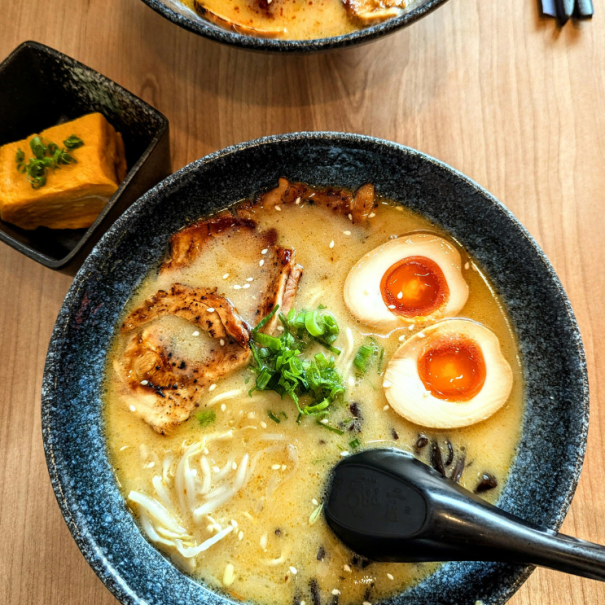
If you’re looking for a well-known ramen spot in Tokyo, Ginza Kagari is a top choice. The restaurant is famous for its creamy chicken broth and demonstrates how refined and complex a seemingly simple dish can be. The atmosphere is focused, often with a queue—which in Tokyo is almost a sign of quality. In return, you get a meal that stays in your memory longer than some museum visits.
Afuri Harajuku
Afuri is a great option for those who enjoy ramen but prefer a lighter, more modern version. The broths are often clearer and fresher, with citrus notes adding brightness. The restaurants feel accessible even for travelers new to ramen. The Harajuku location is especially convenient to combine with a city walk—perfect for a happy break between shopping, shrines, and street scenes.
Insider Tips & Hidden Gems
Yanaka Ginza
Yanaka Ginza reveals a quieter, more nostalgic side of Tokyo often missed in standard itineraries. The shopping street and surrounding neighborhood retain the charm of old Shitamachi Tokyo, with small shops, local snacks, and a relaxed atmosphere. It’s less about superlatives and more about mood, everyday culture, and small discoveries—which is exactly why it often leaves a lasting impression.
Nezu Shrine
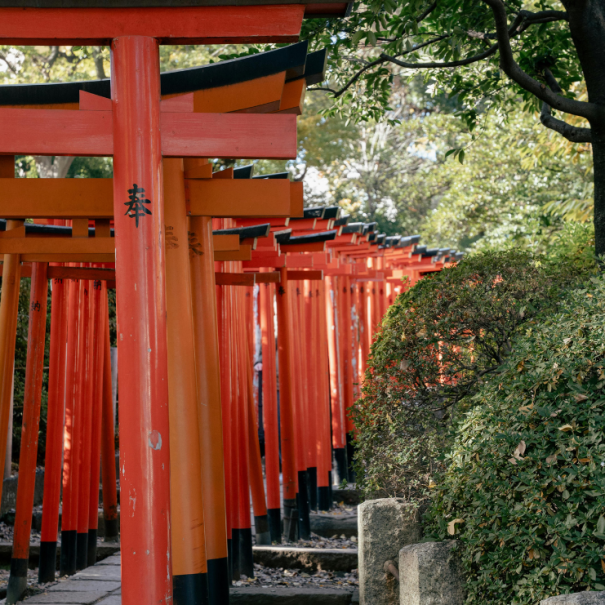
Nezu Shrine is a beautiful historic shrine known for its torii paths, peaceful gardens, and relaxed atmosphere. Compared to Meiji Jingu or Sensō-ji, it’s usually much quieter, making it especially appealing. The red torii tunnel resembles Kyoto’s famous shrines—but right in Tokyo and with far fewer crowds. A perfect place for calm, photogenic moments.
Hamarikyū Gardens
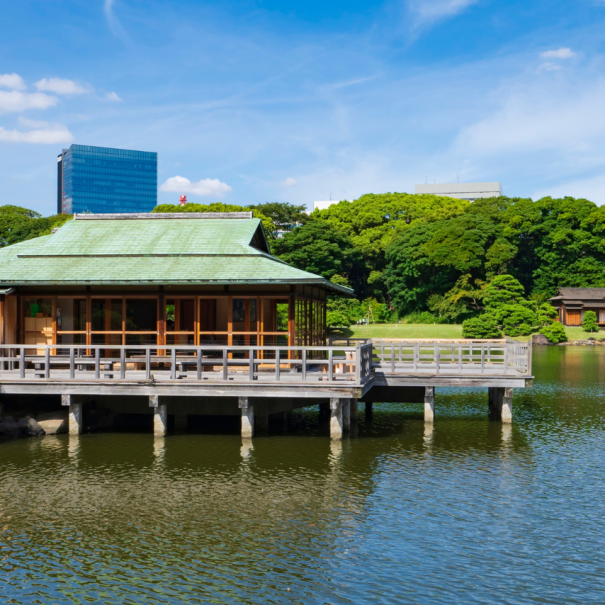
Hamarikyū Gardens lie surprisingly close to the skyscrapers of Shiodome, which makes them even more special. Between ponds, pine trees, and traditional teahouses, a peaceful landscape unfolds while modern towers rise in the background—a classic Tokyo contrast, but in a particularly elegant form. If you have time, you can combine your visit with a water bus ride, which feels like a stylish way to explore the city.
Kagurazaka
Kagurazaka blends narrow alleys, excellent restaurants, small boutiques, and a touch of old Tokyo with a subtle European flair. Once a famous geisha district, it still carries a unique mix of history and urban charm. It’s a perfect place to wander without a strict plan—and that’s exactly what works best here.
Museums for Culture and History Enthusiasts
Tokyo National Museum
Located in Ueno Park, the Tokyo National Museum is the top address for anyone wanting to explore Japan’s history and art in depth. Its collections range from armor and ceramics to kimonos, Buddhist sculptures, and valuable cultural artifacts. It’s suitable not only for classic culture enthusiasts but also for travelers seeking a deeper understanding of Japan’s historical background. If you only have time for one major museum in Tokyo, this is a very safe choice.
Fun Fact: The Tokyo National Museum is considered Japan’s oldest museum. Founded in the 19th century, it not only displays history—it has become part of it.
Edo-Tokyo Museum
The Edo-Tokyo Museum is particularly fascinating for understanding how Tokyo evolved from the Edo period into a modern megacity. Models, reconstructions, and engaging exhibitions make the city’s history unusually tangible. Instead of dry chronology, you gain a vivid sense of how people lived in Edo and how dramatically the city has transformed. It’s especially valuable for understanding the contrast between temples, palaces, and skyscrapers.
Nezu Museum
The Nezu Museum in Aoyama combines art appreciation with a calm, aesthetic atmosphere. In addition to an important collection of Japanese and East Asian art, the building’s architecture and the adjoining garden are highlights. The visit feels like a double experience: focused art, followed by mindful relaxation in nature. Ideal for travelers who prefer a quieter, more refined cultural experience.
National Museum of Nature and Science
Also located in the Ueno area, the National Museum of Nature and Science presents science, technology, and history in an engaging way. It’s diverse, family-friendly, and also exciting for adults thanks to its clear and visually strong presentation of major topics. From the evolution of life to Japan’s technological achievements, there’s plenty to discover. Perfect for those who want to shift their perspective from temple roofs to dinosaurs during a city trip.

Discover 70+ cities worldwide with professional audio guides – and counting! Thanks to integrated navigation, you’ll easily find your way, even without an internet connection. Whether it’s famous highlights or hidden gems – Plazes brings exciting tours and vivid stories straight to your smartphone. Completely free and no registration required. Download now and get started!


Shopping & Souvenirs
Tokyo is a paradise for those who see shopping not just as buying, but as an experience. Depending on the district, the atmosphere changes completely: Ginza offers elegant flagship stores and luxury shopping, while Harajuku feels creative, playful, and fashion-forward. Shibuya stands out with large shopping centers, trendy labels, and a young, fast-paced vibe.
For more traditional souvenirs, head to Nakamise-dōri at Sensō-ji. You’ll find classic items like fans, snacks, lucky charms, and more—touristy, yes, but still atmospheric. Kitchen enthusiasts should visit Kappabashi, Tokyo’s famous kitchen street between Ueno and Asakusa. Here you’ll find knives, tableware, chopsticks, and the famous plastic food replicas—perfect if your fridge urgently needs a realistic tempura model.
Great souvenirs include high-quality kitchen knives, Japanese tea, ceramics, elegant chopsticks, furoshiki cloths, or small omamori charms from shrines and temples. And if you love fashion, Tokyo makes it very hard to stay reasonable—so leave some space in your suitcase.
Tips for Cruise Passengers
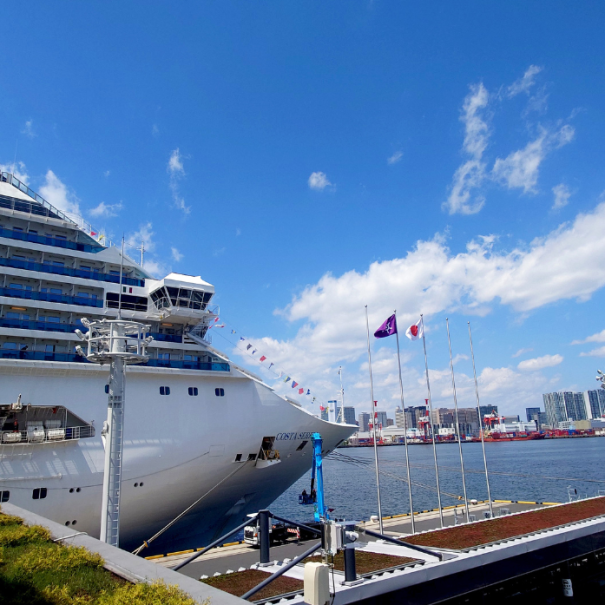
Tokyo is especially interesting for cruise passengers when ships dock at the Tokyo International Cruise Terminal in Odaiba. From there, the city is generally easy to reach, but distances shouldn’t be underestimated—what looks close on a map often involves a train line, a transfer, and a few ambitious escalators. It’s best to check terminal connections early and plan your route using the Yurikamome Line, Rinkai Line, taxi, or shuttle services.
If exploring independently, a combination of trains and a clear daily plan works best. Focus on specific areas—such as Asakusa and Skytree or Shibuya, Harajuku, and Shinjuku. If you only have one day, don’t try to “quickly see everything.” Tokyo isn’t a museum lobby—it’s more like an entire universe with excellent navigation.
Odaiba itself also offers interesting sights if time is limited, including modern architecture and waterfront views. Check the official Tokyo International Cruise Terminal website for updates. If you need to return early, plan generously—Tokyo is reliable, but not obligated to adapt emotionally to your docking schedule.
Tips for Solo Travelers
Tokyo is an excellent city for solo travelers. The public transportation system is dense, efficient, and easy to use with a bit of preparation. Many districts are safe, lively, and comfortable even late at night, making it easy to feel at ease even when traveling alone.
It’s helpful to focus on just a few neighborhoods per day instead of constantly crossing the city. This allows for more spontaneous discoveries and a more relaxed experience. Tokyo Tourist Information Centers provide maps, guidance, and practical help, and the JNTO Tourist Information Center is also useful.
Neighborhoods like Shinjuku, Ueno, Asakusa, and Shibuya are especially convenient due to their excellent connections and wide range of attractions, restaurants, and cafés. Parks, museums, shrines, and markets also offer plenty of places to enjoy alone. Tokyo is a city where you can travel solo without feeling alone for long.
Conclusion
Tokyo is a city that cannot be reduced to a single image—and that’s exactly what makes it such a strong destination. Between historic Sensō-ji, the peaceful Meiji Shrine, the expansive Imperial Palace gardens, and modern icons like Tokyo Skytree or Shibuya Sky, it offers a mix few other cities can match. Add to that fascinating museums, exciting food spots, surprisingly quiet neighborhoods, and photo opportunities ranging from classic to futuristic.
Visitors don’t just find sights—they discover multiple ways to experience the same city. Sometimes Tokyo feels meditative, sometimes overwhelming, sometimes highly aesthetic, and sometimes wonderfully everyday. That’s why it’s perfect for self-guided tours: everyone can explore at their own pace and according to their interests. Or put simply: Tokyo is one of those cities where you don’t leave thinking, “I’ve seen everything,” but rather, “Looks like I’ll need a second round someday.”
FAQs:
1. When is the best time to visit Tokyo?
Spring (cherry blossom season) and autumn (with its colorful foliage) are considered especially beautiful. Summer is hot and humid, while winter is cool but usually sunny.
2. What is the best way to get around Tokyo?
The most efficient way to get around is the subway and train network (JR Lines). A rechargeable card such as Suica or Pasmo makes traveling much easier. Taxis are available but significantly more expensive and usually not necessary.
3. What cultural aspects should you be aware of?
Politeness and respect play a major role. This includes, for example, speaking quietly on public transportation, not eating while walking, and behaving appropriately in temples. Shoes are removed in many indoor spaces.
4. How much time should you plan for Tokyo?
For the main highlights, you should plan at least 3 to 4 days. If you want to dive deeper into the culture or take day trips (e.g., to Nikko or Kamakura), it’s best to stay for 5 to 7 days.
5. What should you definitely eat in Tokyo?
Tokyo is a paradise for food lovers: sushi, ramen, tempura, okonomiyaki, and street food are a must. Small izakayas (Japanese pubs) also offer authentic insights into the local food culture.