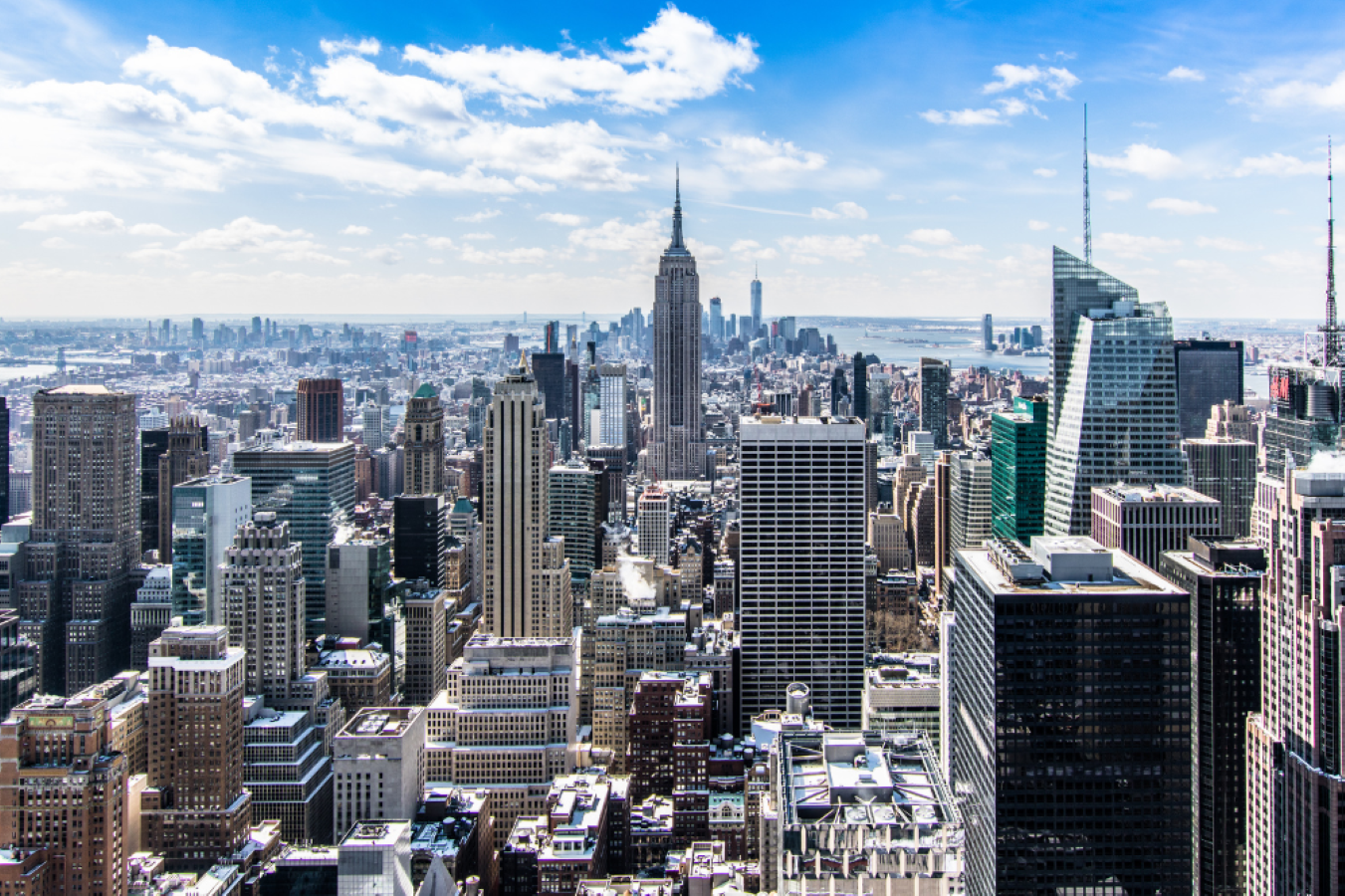
New York is not a city that politely stays in the background. It flashes, honks, rushes, sparkles – and still manages to leave people standing on the sidewalk with their mouths open every single day. Between the iconic skyline, world-famous museums, green retreats, and neighborhoods with a character all their own, you’ll find a mix here that is both overwhelming and incredibly inspiring at the same time. Whether you are stepping out of the subway in Manhattan for the first time or already know that “just quickly grabbing a bagel” can easily turn into half a day’s program in New York: this city delivers sights at a density that makes even ambitious to-do lists break into a sweat.
In this guide, you will find the most important highlights of New York – complemented by viewpoints, culinary addresses, hidden gems, museums, photo spots, and practical tips for cruise passengers and solo travelers. The article is structured so that you can use it both for travel planning and as inspiration for your own city tours. And don’t worry: between all the superlatives, there is still enough room for real orientation – and here and there a little wink.
Top Attractions in New York
Statue of Liberty & Ellis Island
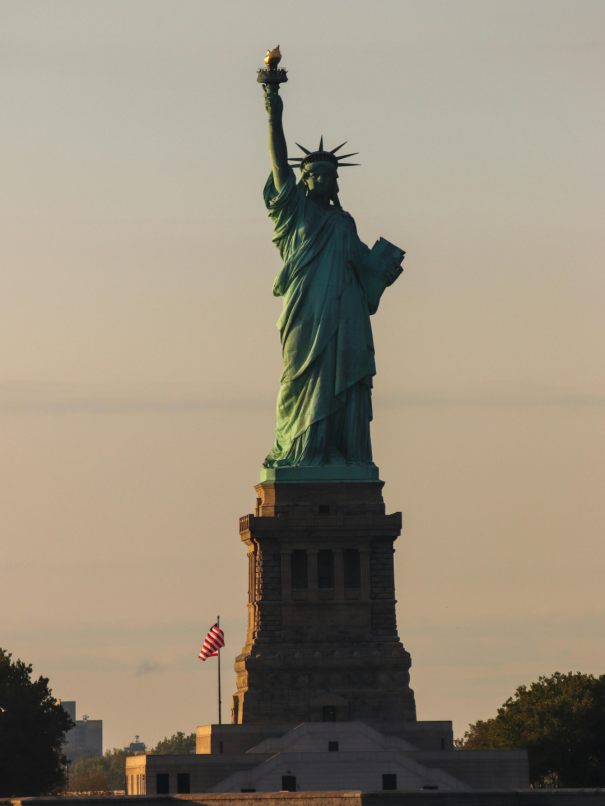
The Statue of Liberty is not just a landmark – it is one of the best-known symbols of the USA and, for many visitors, the classic starting point of a trip to New York. Even the ferry ride out to Liberty Island creates a real sense of arrival, because the Manhattan skyline gradually puts itself on perfect display along the way. Right next to it lies Ellis Island with the Immigration Museum, which tells the story of immigration to the United States in an impressive way and gives the visit additional depth. Anyone who wants not only to see New York but also to place it in a historical context is exactly right here. And yes: even people who usually stay pretty cool around monuments pull out their phones quite quickly here.
Fun Fact: The Statue of Liberty was inaugurated in 1886 and was a gift from France to the United States. Its crown has 25 windows and seven rays – the latter symbolizing the seven continents and seven seas.
Central Park
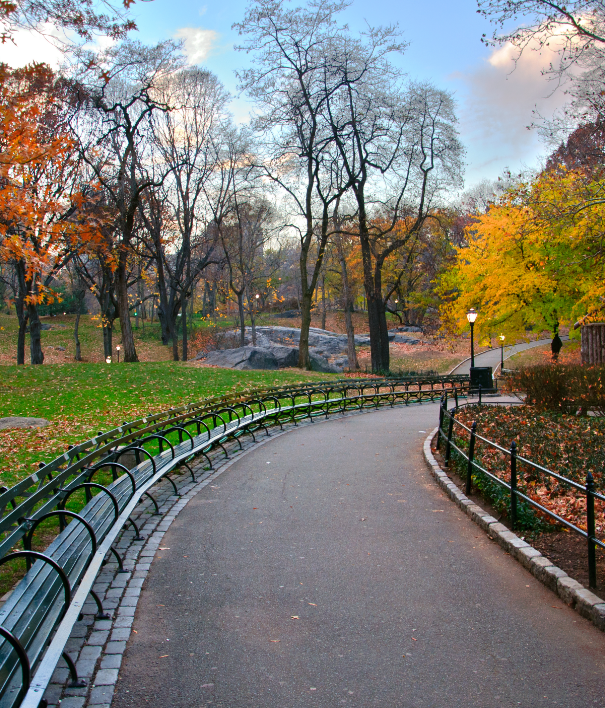
Right in the middle of the skyscrapers lies Central Park, a green world of its own – and that is exactly what makes it so special. Between lakes, bridges, meadows, and shady paths, the city suddenly feels surprisingly far away, even though Manhattan continues to pulse all around it. Here, you can walk, ride a bike, have a picnic, pass film locations, or simply sit on a bench and watch the rather charming chaos of the big city. Precisely because New York is often loud and fast, the park feels like the perfect counter-movement to it. Anyone who has ever walked through Central Park in the morning quickly understands why many New Yorkers treat it almost like a second living room.
Times Square
Times Square is bright, loud, over-the-top, and for exactly that reason a must-see for many visitors. Huge LED screens, theater posters, street performers, and a stream of people that seems never to stop turn this place into a kind of permanent spectacle in the heart of Midtown Manhattan. Anyone looking for peace and quiet probably should not plan to meditate here – but anyone who wants to feel New York’s energy directly will get it here in maximum concentration. The square unfolds its full effect especially in the evening, when the advertising screens shine almost as brightly as daylight. It is a place where you can think at the same time: “Far too much” – and that is exactly why you end up staying ten minutes longer.
Brooklyn Bridge
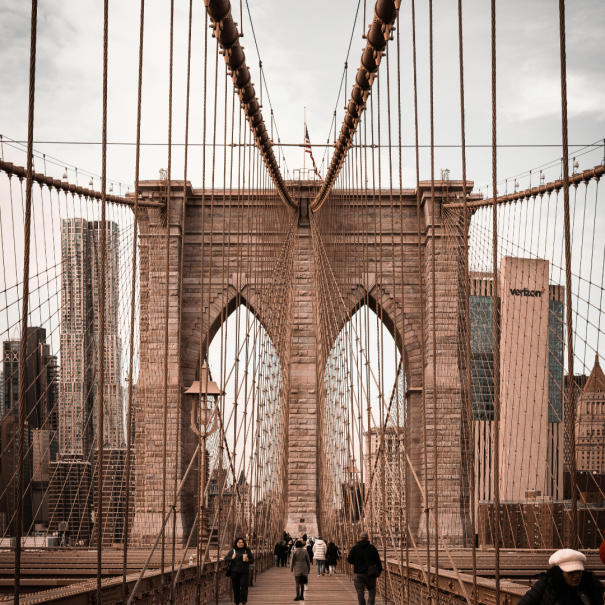
The Brooklyn Bridge connects Manhattan with Brooklyn – and a walk across it is one of the city’s most beautiful classics. Between the striking Gothic arches and steel cables, a magnificent view opens up over the skyline, the East River, and the surrounding neighborhoods. The crossing is especially beautiful early in the morning or toward evening, when the light is softer and the atmosphere feels much more relaxed than during peak visiting hours. On the bridge itself, you feel both right in the middle of the city and a little above it at the same time. That is rare – and in New York almost a small sensation.
Empire State Building
The Empire State Building is one of those landmarks you already know before the trip – and that still does not disappoint on site. The Art Deco skyscraper has shaped the skyline for decades and offers one of the most famous views over Manhattan from its observation decks. What makes it particularly appealing is that the visit works not only because of the view, but also because of the building’s history and iconic architecture itself. Anyone who wants to experience New York from above gets a real classic feeling here rather than just a nice panorama. In short: if viewpoints received Oscars, this building would pretty certainly be nominated.
Fun Fact: The observation deck on the 86th floor is the building’s most famous open-air platform. On clear days, the view officially extends up to 80 miles – far enough to feel like you could already wave to your next road trip.
Grand Central Terminal
Grand Central Terminal is far more than a train station – it is an architectural statement right in the middle of Manhattan. The large main hall with its vaulted celestial ceiling, huge windows, and famous clock is one of the most impressive interior spaces in the city. Even people who originally only wanted to “take a quick look inside” usually stay longer, because history, hustle, and elegance come together here in an astonishingly harmonious way. Between commuters, tourists, and small details such as the Whispering Gallery, it becomes clear how spectacular even infrastructure can look in New York. Or, to put it another way: in other cities, a train station is a functional building – here it is almost a stage.
Fun Fact: Grand Central not only houses the well-known Whispering Gallery, but in its history it has also seen surprisingly unusual uses. In one area of the building, there was at one time even an art gallery, a TV studio, and an indoor ski slope – which shows that New York does not like thinking in small categories, even when it comes to train stations.
The High Line
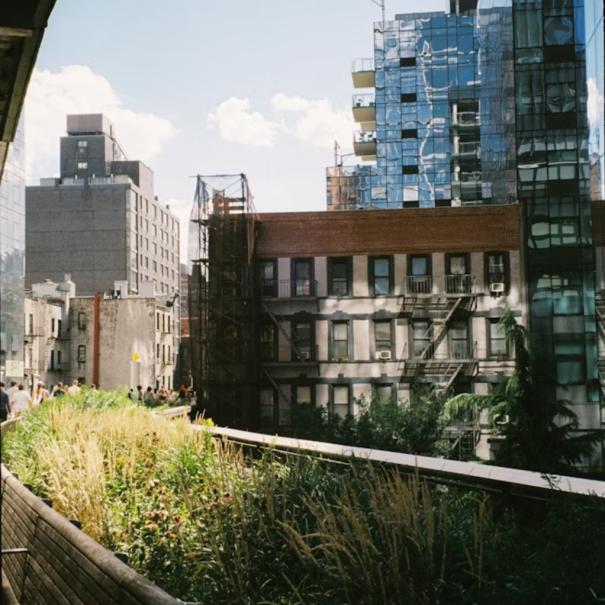
The High Line is a prime example of how old infrastructure can become a beloved urban project. On the former freight rail line, there is now a green park running above the streets of the West Side District – with seating areas, art installations, and exciting views toward the Hudson River and the surrounding architecture. While walking, garden atmosphere, city scenery, and creative urban planning alternate at a pace that never becomes boring. What is especially nice is that the High Line does not feel like a classic tourist attraction, but rather like a place that people actually use and experience. That is exactly why it feels modern, lively, and pleasantly unforced.
Rockefeller Center
Rockefeller Center is one of those New York ensembles that works in every season. In winter, the ice rink with the famous Christmas tree is, of course, especially iconic, but even outside the holiday season a visit is worthwhile because of the Art Deco architecture, the Midtown location, and the Top of the Rock observation deck. The complex combines history, entertainment, television, shopping, and city panorama in a way that is very typical of New York: grand, efficient, and visually highly convincing. Anyone spending time here quickly notices how many pop-cultural images they actually already knew before even arriving. Suddenly, you are standing right in the middle of it – and the scenery feels surprisingly familiar.
9/11 Memorial & Museum
The 9/11 Memorial in Lower Manhattan is one of the most moving places in the city. At the footprints of the former Twin Towers, two large reflecting pools with the names of the victims commemorate the attacks of September 11, 2001. The site is quiet and dignified, and despite its central location it manages to preserve a very special atmosphere. The attached museum offers additional historical context and helps visitors better understand the events and their aftermath. A visit is not an easy experience, but it is an important one – and one that stays in the memory of many travelers for a long time.
Fifth Avenue
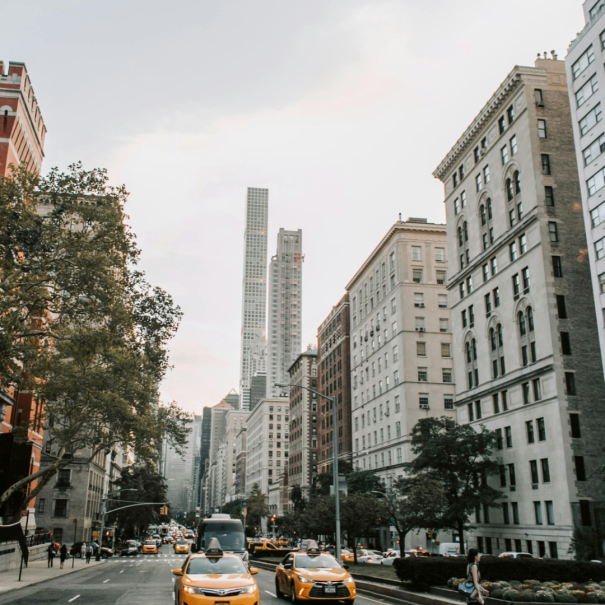
Fifth Avenue is one of the best-known streets in the world and far more than just a shopping address. Along the avenue, famous stores, historic buildings, churches, museums, and iconic façades line up one after another, so that even a simple walk becomes part of the sightseeing program. Especially between Midtown and the edge of Central Park, the street reveals its full range – sometimes glamorous, sometimes steeped in history, sometimes surprisingly relaxed. Anyone who wants to discover New York on foot gets the perfect mix of architecture, people-watching, and big-city cinema here. Comfortable shoes are not a bad idea, though – the avenue is longer than the euphoric start of a trip often suggests.
The Best Viewpoints
Top of the Rock
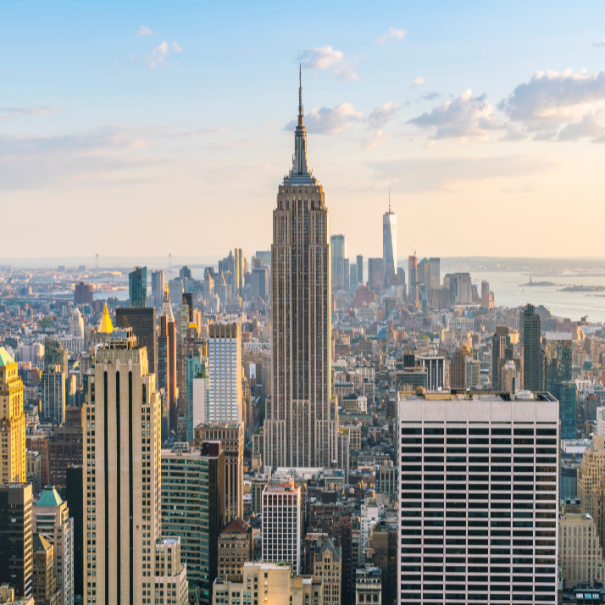
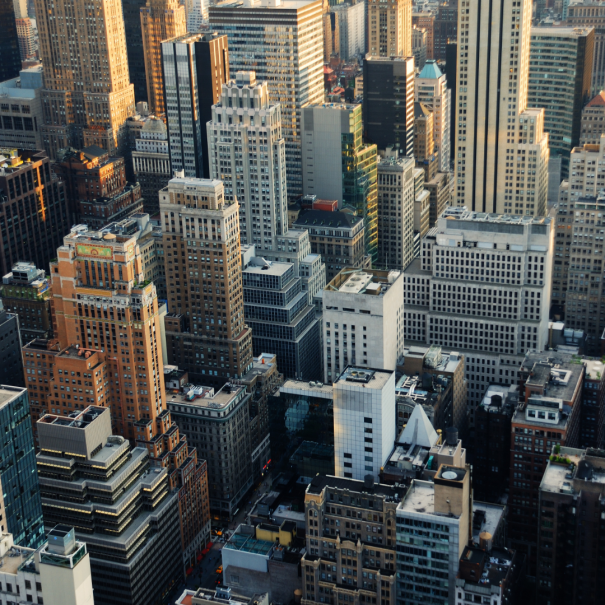
Anyone who wants to see New York from above and also wants the Empire State Building itself in the panorama is in exactly the right place at Top of the Rock. The platform at Rockefeller Center offers a particularly balanced view over Midtown, toward Central Park, and down into Manhattan’s famous urban canyon. Many travelers consider this perspective one of the best in the city because it opens up the view not only of the skyline but also of its most famous individual stars. Before sunset, the atmosphere is especially beautiful when the buildings slowly begin to glow golden. It is the kind of view that suddenly makes even people with completely full phone storage become highly selective and creative.
Empire State Building Observatory
The view from the Empire State Building is a true classic – and classics in New York do not become classics without good reason. From here, Manhattan looks like a precisely constructed model of streets, façades, and light, while the view extends far beyond the city depending on the weather. The open-air platform on the 86th floor is particularly appealing because you do not just see the height there – you can actually feel it. For many people, the ascent therefore counts not only among the best views, but among the great New York moments altogether. A bit of wind in your face is included free of charge.
Roosevelt Island Tramway
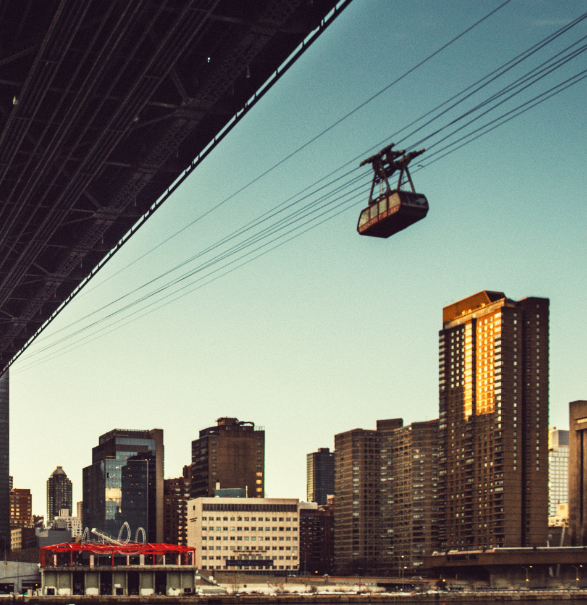
Not every viewpoint needs a classic platform – sometimes the ride itself is enough. The Roosevelt Island Tramway glides above the East River and opens up unusual views of Midtown, the Queensboro Bridge, and Manhattan’s waterfront. Precisely because it is part of public transportation, the ride feels less like a tourist attraction and more like a small everyday hack with a skyline bonus. Once you arrive on Roosevelt Island, things continue much more quietly than in many other parts of the city. That makes this excursion especially pleasant for anyone who likes views but does not necessarily want to compete with fifty other people for the best railing at the same time.
Culinary Spots for Food Lovers
Katz’s Delicatessen
Katz’s Delicatessen on the Lower East Side is a true New York institution with history, character, and an atmosphere that deliberately does not feel overly polished. Anyone who walks in here does not get a quiet fine-dining experience, but a lively, classic delicatessen hall with legendary sandwiches and plenty of big-city charm. It is exactly this mixture of tradition and cult status that makes the place so exciting – even if you actually only wanted to “grab a quick bite.” For many people, Katz’s is almost as much a part of the cityscape as yellow taxis or steaming manhole covers. Coming hungry here is not an optional lifestyle tip, but almost a requirement.
Chelsea Market
Chelsea Market is ideal for anyone who does not want to commit to just one culinary style. In the former factory hall, a wide variety of food concepts, small shops, and urban market-hall flair come together, so you can sample your way through without constantly changing neighborhoods. This is especially practical for travelers, because quality, variety, and location fit together very well here – especially since the High Line is right nearby. The market feels touristy and local at the same time, which can be a very good combination in New York. It is also perfect for groups in which not everyone ever feels like the same thing – so, actually, for almost every group.
Russ & Daughters Café
Russ & Daughters stands like hardly any other name for classic Jewish-American food culture in New York. At the café, this tradition can be experienced in a calmer form, with great attention to detail and a strong connection to the culinary history of the Lower East Side. The place feels pleasantly unpretentious and therefore especially authentic – not polished into nostalgia, but credibly grown over time. Anyone looking for culinary addresses that not only taste good but also tell something about the city will be in very good hands here. Some places serve food, others serve a piece of New York identity along with it.
Grand Central Oyster Bar
The Grand Central Oyster Bar combines culinary tradition with one of the city’s most iconic locations. Located directly in Grand Central Terminal, it fits perfectly into a sightseeing day in Midtown while also offering a piece of classic New York with historic flair. The curved tiled ceilings, lively atmosphere, and long history of the restaurant make the visit more than just a meal break. Precisely because many travelers visit Grand Central anyway, this stop can be wonderfully integrated into the route. That way, “We have to be in that area anyway” quietly turns into a very good plan.
Hidden Gems & Secret Places
The Cloisters
The Met Cloisters in northern Manhattan feel like a small leap in time from hectic New York straight into medieval-inspired Europe. The museum belongs to the Metropolitan Museum of Art and specializes in medieval art, but at the same time it is located in an exceptionally quiet setting with views over the Hudson River. The architecture of the complex, the gardens, and the secluded location alone make the place something special. Anyone who wants to experience New York from a quieter, almost contemplative perspective will find a very worthwhile contrast to the usual big-city program here. It is one of those places where you briefly forget that somewhere further south, a hundred thousand horns are probably blaring at the same time.
Green-Wood Cemetery
A cemetery as a travel tip may sound unusual at first, but Green-Wood in Brooklyn is much more than a quiet place. The expansive grounds are at once a historic park, an architecturally fascinating retreat, and a surprisingly beautiful viewpoint with old trees, paths, and monuments. Precisely because there is less classic sightseeing activity here, New York can be discovered in a quieter and almost poetic way. Anyone who appreciates places with atmosphere and history will like the contrast to Manhattan’s dense energy. Sometimes the quiet places are exactly the ones you remember best later.
Roosevelt Island
For many visitors, Roosevelt Island is more of a place to pass through than to stay – and that is exactly part of its charm. The narrow island in the East River offers relaxed promenades, beautiful skyline views, and significantly less hustle and bustle than Manhattan’s well-known hotspots. After the ride on the Roosevelt Island Tram, you can take a wonderful walk here, for example all the way to the Franklin D. Roosevelt Four Freedoms State Park at the southern end of the island. Anyone who needs a bit of air after half a day in Midtown is in very good hands here. A quieter version of New York is sometimes also a surprisingly beautiful version of New York.
Whispering Gallery in Grand Central
The Whispering Gallery in Grand Central Terminal is so small that many people simply walk past it – and that is exactly why it counts among the city’s most charming mini-discoveries. In the vaulted area near the Oyster Bar, a softly spoken message at one corner can be heard astonishingly clearly at the opposite corner. This works because of the space’s special acoustics and regularly causes delighted faces among everyone who tries it out. The place costs nothing, is centrally located, and can be perfectly integrated into a Midtown walk. It may not be New York’s biggest attraction – but it is certainly one of the most likable.

Discover 70+ cities worldwide with professional audio guides – and counting! Thanks to integrated navigation, you’ll easily find your way, even without an internet connection. Whether it’s famous highlights or hidden gems – Plazes brings exciting tours and vivid stories straight to your smartphone. Completely free and no registration required. Download now and get started!


Museums for Culture and History Fans
The Metropolitan Museum of Art
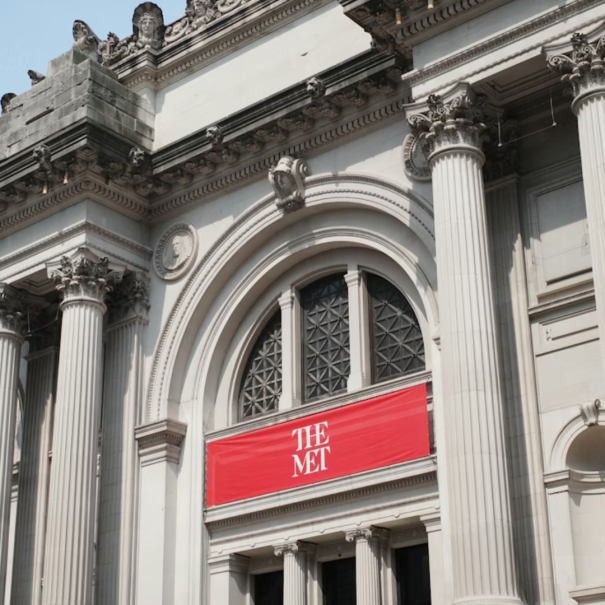
The Metropolitan Museum of Art, or The Met for short, is one of the city’s major cultural institutions. Its collection includes art spanning more than 5,000 years and almost automatically turns a visit into a journey through periods, regions, and styles. Precisely because the museum is so large and diverse, it is worth roughly considering in advance which sections interest you most – otherwise you may end up spending three hours wandering between Egypt, Europe, and American art and wondering why it is suddenly already afternoon. The building itself is just as impressive as many of the works it houses. Anyone who wants to experience culture seriously in New York can hardly avoid The Met.
Museum of Modern Art (MoMA)
The MoMA is the right address for anyone who loves modern and contemporary art – or at least would like to spend some time surrounded by the great names of the 20th and 21st centuries. The museum is one of the most influential institutions of its kind and displays works that even people without an art degree often recognize immediately. At the same time, the MoMA is not exciting only because of individual icons, but also because of its clear, modern presentation and thematic diversity. The visit therefore works equally well for passionate art fans and for travelers simply looking for a strong cultural program in Midtown. And honestly: there are worse places to pretend for a moment that you interpret abstract art completely naturally.
Tenement Museum
The Tenement Museum on the Lower East Side tells the city’s history in a particularly tangible way. Instead of merely showing objects in display cases, it conveys the lives of former immigrant families through restored living spaces, stories, and guided tours. That gives visitors a very concrete impression of how New York developed over generations and which realities shaped the lives of many people here. Anyone interested in everyday history and social developments will find an exciting complement here to the city’s major art museums. The museum is less glamorous than some other hotspots – but that is exactly what makes it especially impressive.
Photo Spots in New York
DUMBO – Washington Street View
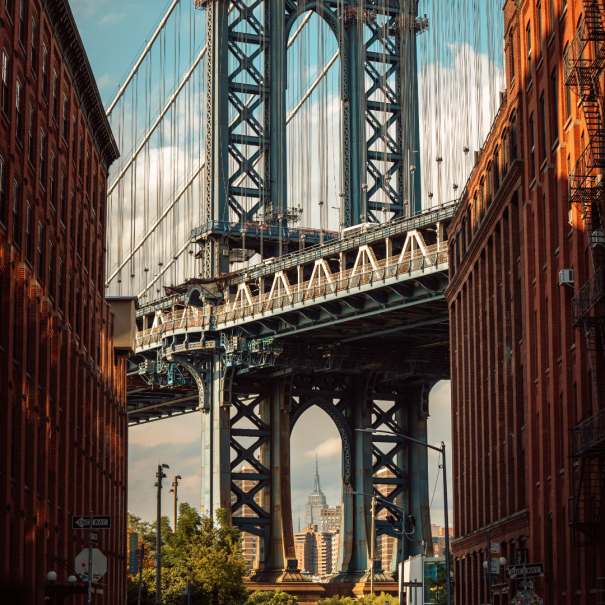
Probably the best-known photo spot in Brooklyn is located in DUMBO on Washington Street. From here, the brick architecture perfectly frames the Manhattan Bridge, and with good positioning even the Empire State Building appears in the bridge arch. The motif is iconic, urban, and accordingly popular – so arriving early is worthwhile. Especially in the morning, the street still feels a bit more relaxed, while the light also helps. Anyone who wants to sum up New York in a single photo has surprisingly good chances here.
Bethesda Terrace im Central Park
Bethesda Terrace is one of the most photogenic places in Central Park and combines architecture, park scenery, and classic New York flair in a particularly elegant way. The arcades, stairs, fountain, and lake view create a setting that looks completely different depending on the season – sometimes green and lively, sometimes golden, sometimes almost film-ready under snow. That is also why the place is ideal both for spontaneous phone photos and carefully planned shots. At the same time, there is usually enough movement here to make photos feel lively without becoming completely chaotic. Exactly the kind of balance one would often wish for in New York.
Brooklyn Bridge Park
Brooklyn Bridge Park offers some of the most beautiful perspectives on Lower Manhattan. Especially around Pebble Beach and the area near Jane’s Carousel, fantastic images can be captured with skyline, water, bridges, and often beautiful light. The spot is especially suitable early in the morning or toward evening, when the city in the background slowly begins to glow. At the same time, you can sit here in a relaxed way, take a walk, or simply enjoy the view without everything feeling like a classic photo hunt. That is exactly what makes this place so strong: it is not only beautiful in pictures, but also beautiful in the moment.
Shopping & Souvenirs
New York is an excellent place for shopping – and not only if you are thinking of luxury labels. Of course, Fifth Avenue with its flagship stores is one of the best-known shopping streets in the world, but it often becomes especially interesting when you also drift through neighborhoods such as SoHo, Nolita, Williamsburg, or the Lower East Side. There, smaller boutiques, concept stores, design shops, and stores with much more local character await you than the classic three-magnets-for-one-price kind of shop.
For stylish souvenirs, it is worth taking a look at museum shops such as those at The Met or MoMA. Instead of interchangeable souvenirs, you will often find beautifully designed prints, books, design objects, or gift ideas with a connection to the city. Anyone who prefers culinary souvenirs will find what they are looking for in delis, gourmet food stores, or market halls such as Chelsea Market. The only practical thing is to think briefly beforehand about whether your suitcase on the return flight feels more “relaxed” or is already saying “please don’t close me anymore.”
Another good address for classic New York moments is Grand Central Terminal, where travel atmosphere, architecture, and small shops combine pleasantly. If you do not feel like pure consumption but enjoy browsing, neighborhoods with independent stores are often the better choice than the very large malls. That way, ideally you take something home that actually looks like New York – and not just like it still passed through three airports on the way.
Tips for Cruise Passengers
New York is an exciting cruise port because, depending on your route, you arrive very close to the city’s highlights. The Manhattan Cruise Terminal is located on the West Side on the Hudson River between 46th and 54th Street – only a few blocks west of Times Square. That means you can reach Midtown comparatively quickly by taxi, rideshare, or with a short combination of walking and public transportation. Anyone docking at the Brooklyn Cruise Terminal in Red Hook should allow a bit more transfer time, but in return they are close to Brooklyn Heights, DUMBO, and Brooklyn Bridge Park.
For many cruise passengers, it is worth structuring the day’s route clearly in advance. If you only have limited time, it usually makes more sense to focus on one or two parts of the city instead of trying to “completely check off” Manhattan at record speed – New York rarely wins against ambitious haste. Midtown and Lower Manhattan are especially well suited for a quick overview. If your ship is docked at the Manhattan Cruise Terminal, Times Square, Rockefeller Center, Fifth Avenue, and Central Park are much easier to combine than trying to fit in a full day across all boroughs at once.
Getting oriented in New York is generally quite easy because Manhattan is laid out largely in a grid. Taxis are readily available, and the subway often remains the fastest choice once street traffic becomes denser. Also practical for a short panoramic break is the free Staten Island Ferry if you want to see the Statue of Liberty from the water without immediately planning half an island visit. For cruise passengers with a tight time window, that is often a smart option – and much less stressful than planning spontaneous heroic acts shortly before “all aboard.”
Tips for Solo Travelers
New York is very well suited for solo travelers because, on the one hand, the city offers an incredible amount of infrastructure and, on the other hand, you never feel strange being out on your own. People sit alone in cafés, go to museums alone, ride the subway alone, and walk alone through the park – so in the best sense, you simply blend into the cityscape as completely normal. Especially helpful is the dense network of subway lines, buses, and ferries, which lets you move flexibly between neighborhoods. Anyone who plans well during the day and brings the usual big-city awareness in the evening usually gets around very easily.
To get started, a short visit to official information points or a look at NYC Tourism is worthwhile if you are looking for current information, opening hours, or neighborhood ideas. Places such as Grand Central, Bryant Park, or the area around Rockefeller Center are also good anchor points when you first want to orient yourself. Museums, markets, and viewpoints are excellent for solo days anyway, because you can set your own pace – without discussions about whether it is time for art, coffee, or shopping right away. An underrated luxury, as many solo travelers notice with satisfaction by the second day at the latest.
If you do not want to go straight back to the hotel in the evening, well-frequented neighborhoods such as Midtown, Greenwich Village, or parts of Brooklyn are often more pleasant than very quiet outer areas. For relaxed encounters without that forced “now we are all going to make new friends” atmosphere, food halls, park areas, or guided museum tours usually work better than overloaded party offers. And if you should happen to get lost: in New York, that is often less of a problem than in other cities – most of the time you discover a good café rather than a real dead end.
Conclusion
New York is a city of icons – but that is only part of its appeal. Of course, highlights such as the Statue of Liberty, Central Park, Brooklyn Bridge, or the Empire State Building belong in every good overview. But the contrasts are just as exciting: quiet places such as The Cloisters or Roosevelt Island, historically rich spaces such as Grand Central or the Tenement Museum, and urban favorite projects such as the High Line. It is exactly this mixture that makes the city so varied.
Anyone visiting New York does not have to see everything at once – and honestly, that would be quite an athletic undertaking anyway. Much nicer is to combine the famous landmarks with perspectives that feel a bit more personal: a walk by the water, a view from above, a market visit, a hidden acoustic trick in a train station, or a quiet island in the middle of the city’s current. That creates not just a list of checked-off sights, but a genuine feeling for New York.
Whether you are here for the first time, only making a compact stop as a cruise passenger, or consciously taking time for individual neighborhoods: New York has the talent to turn small moments into great travel memories. And if, in the end, you leave with tired legs, full phone storage, and the firm conviction that next time you will “plan less in a completely relaxed way,” then you have probably experienced the city pretty much the right way.
FAQs:
1. How many days should you plan for New York?
For a good first overview, four to five days are ideal. This gives you enough time to combine the main sights, one or two museums, viewpoints, and individual neighborhoods without the trip turning into nothing but rushing around.
2. What currency is used in New York, and can you pay by card?
In New York, the currency used is the US dollar (USD). Card payments are widely accepted and can be used in most shops, restaurants, and attractions. For smaller expenses, however, it can still be useful to carry some cash.
3. What is the best way to get around in New York?
Die U-Bahn ist das schnellste Verkehrsmittel in New York und verbindet fast alle wichtigen Stadtteile miteinander. Für kurze Strecken sind auch Taxis oder Spaziergänge durch Manhattan sehr beliebt.
4. What should you definitely try in New York?
New York is known for its diverse cuisine. Classic New York pizza, hot dogs, bagels, and New York-style cheesecake are especially popular. Many small delis and food stands offer these specialties.